
Introduction
When a buyer is ready to request quotations, the quality of the RFQ determines whether supplier responses can be compared. A short request for surgical gowns or surgical packs may produce prices based on different materials, components, packaging and documentation.
A controlled RFQ does not need to answer every technical question before contact. It should define confirmed requirements, identify open fields and provide enough context for the supplier to evaluate feasibility. This guide focuses on preparing that file, rather than on selecting or ranking manufacturers.
1. Start with the Exact Product Type
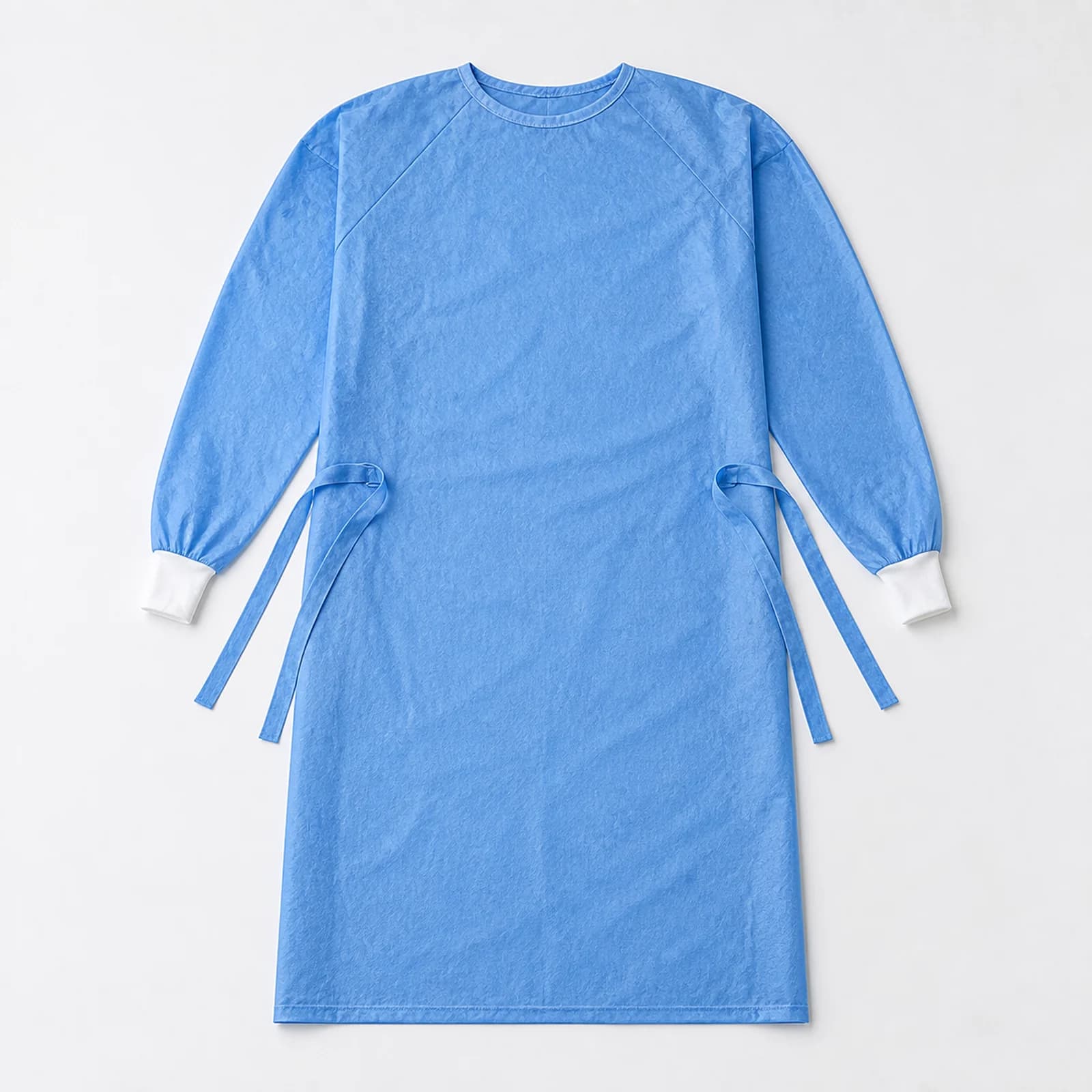
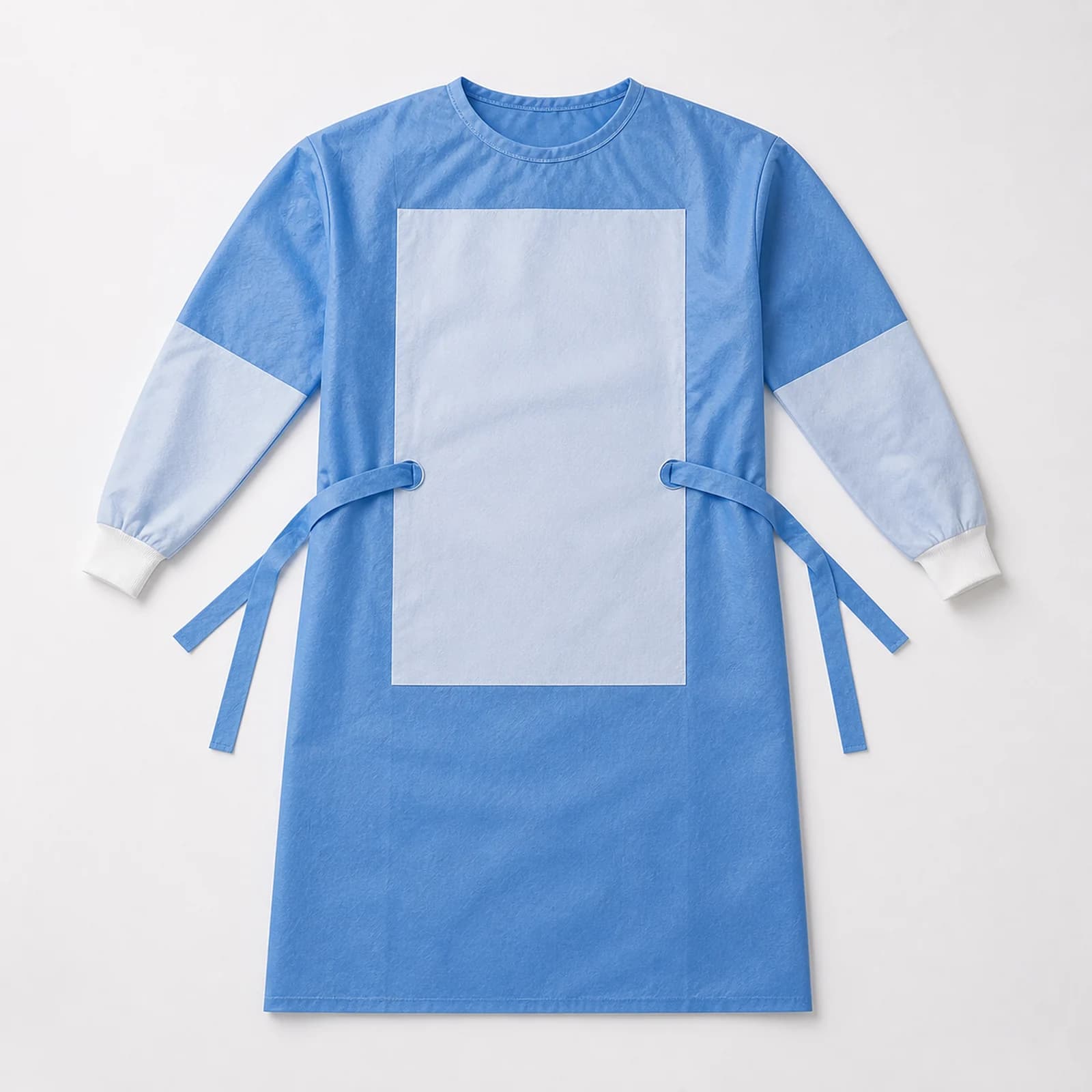
State whether the request covers a standard surgical gown, reinforced surgical gown, procedure pack or custom pack. Use one line or section per product. Avoid broad terms such as medical disposables when a specific quotation is required.
If several sizes or pack configurations are involved, assign a buyer reference to each. This gives every attachment, sample and quotation line a stable identifier.
2. Provide a Model or Reference Product
Identify the closest catalog model, current supplier reference, tender code or approved sample. Future Tech's FTG-001, FTG-002 and FTP series can be used as starting points, but the final quotation follows the confirmed specification.
Explain which parts of the reference must remain unchanged and which are open to review. A photograph may support identification but should not replace measurements, component lists or material requirements.
3. Define Materials and Construction
For gowns, record material, standard or reinforced construction, reinforcement details where applicable, cuff, sleeve, closure and seam requirements. For pack components, state material and construction for each relevant line.
Mark unverified protection, regulatory or performance fields as pending documentation. Do not ask suppliers to assume an AAMI level, sterilization method or other claim from a general product name.
4. Provide Sizes and Quantities
List sizes, finished measurements or an approved chart for gowns, together with the required quantity or size ratio. For packs, distinguish quantity per pack, total packs and carton assumptions.
If the expected order quantity is still under review, provide a realistic evaluation range and ask the supplier to state the quotation basis. Future Tech does not publish one fixed MOQ or lead time for every project.
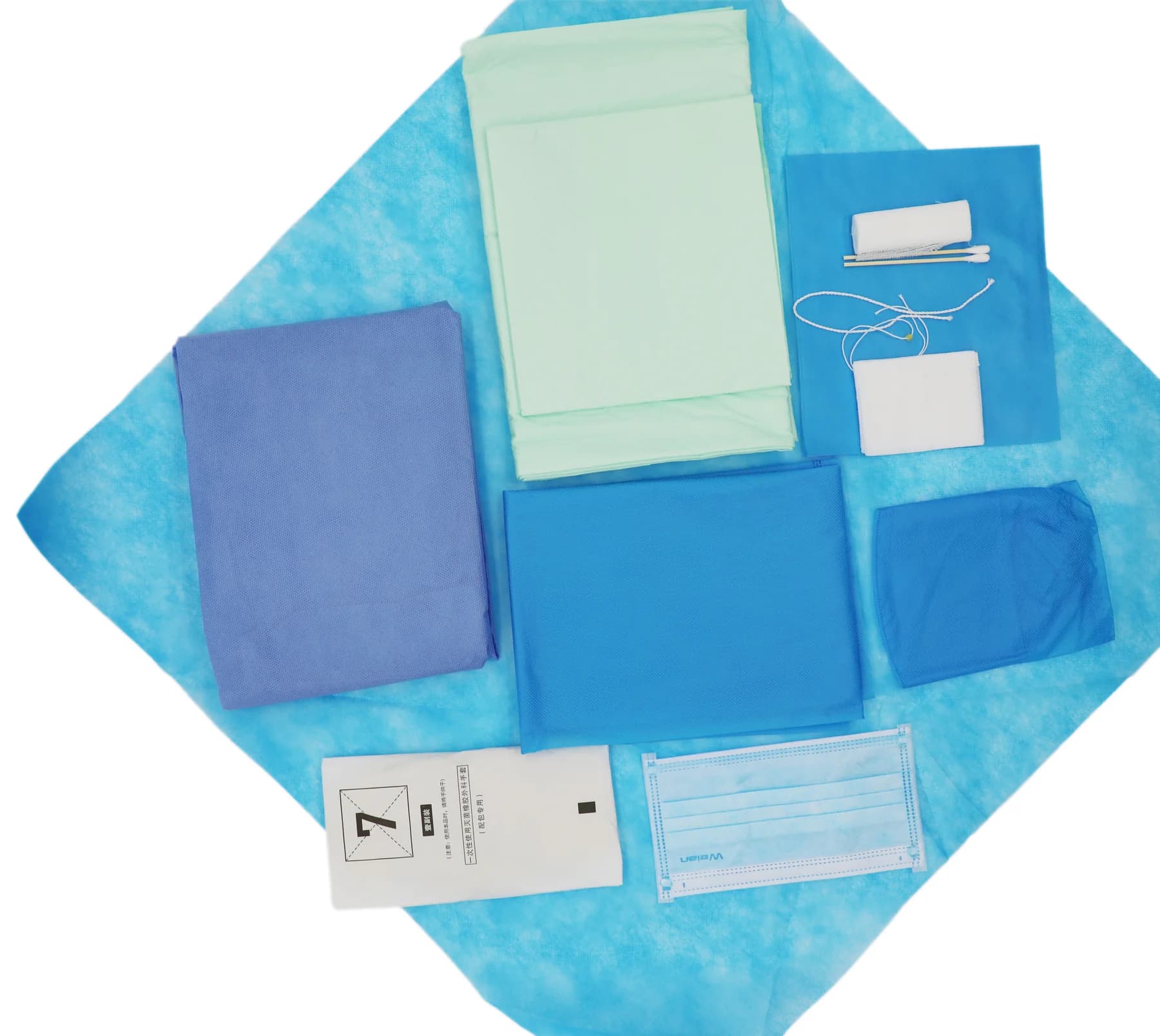
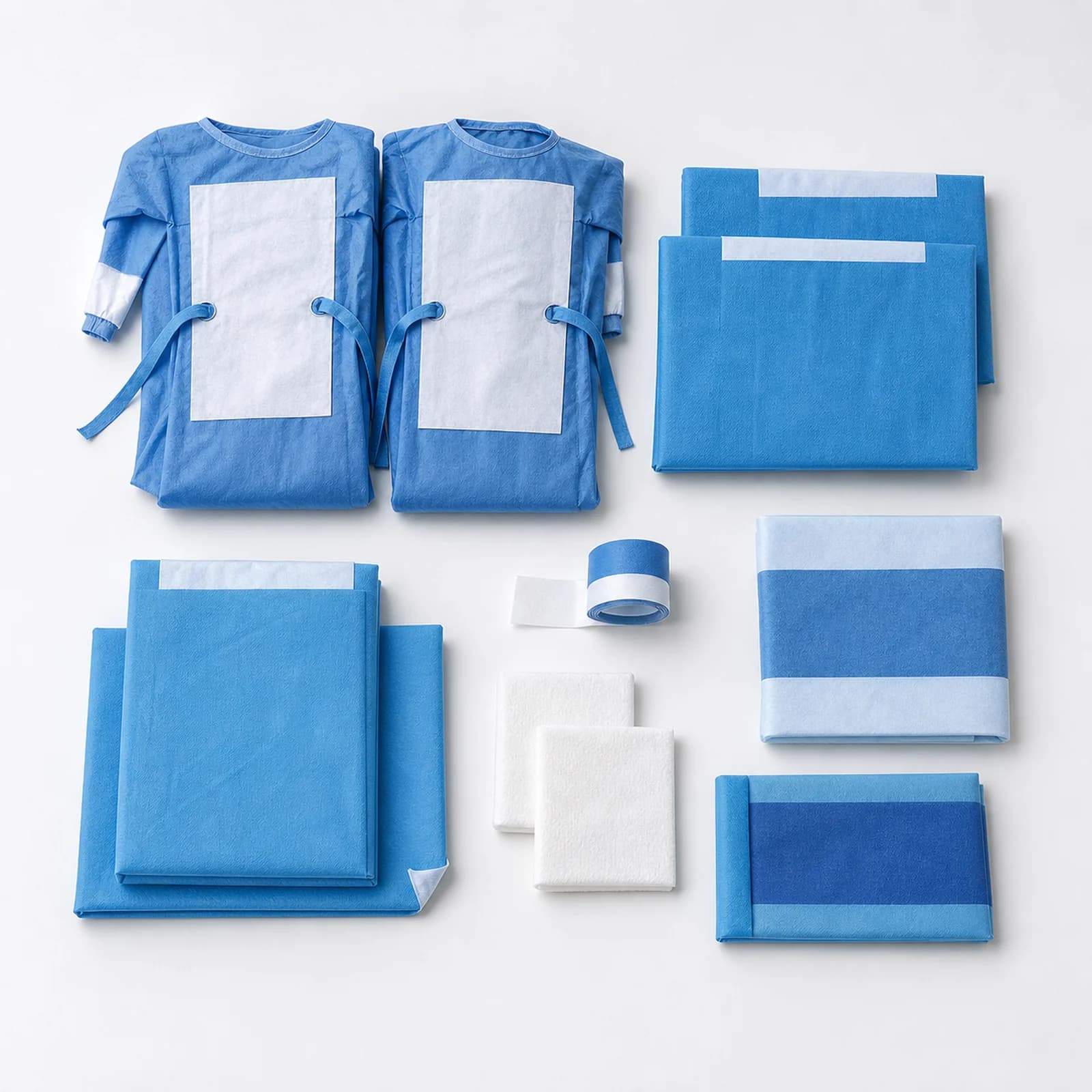
5. For Surgical Packs, Include the Full Component List
Provide one row for every component with name, specification, dimensions and quantity. Identify mandatory, optional and pending items. Ask the supplier to disclose any deviation or proposed substitution.
Use the same list revision for quotation, sample review and final approval. This prevents the price and physical pack from being based on different scopes.
6. Define Packaging Requirements
State individual-pack format, size or configuration identification, label languages, units per carton, carton marks and barcode needs where applicable. Keep fixed artwork information separate from fields generated during production.
Where sterile or non-sterile supply is relevant, include the requirement and documentation to be reviewed. Packaging and shelf-life claims must be confirmed for the final configuration.
7. Specify OEM or Private-Label Requirements
Provide brand name, logo, editable artwork, label concept, color references and required languages. Identify who owns and approves artwork and which information remains subject to technical or market review.
Separate a simple brand change from a product-construction change. If material, dimensions or components also change, update the technical specification and quotation scope.
8. Identify the Destination Market
State the destination country and intended buyer channel. Label language, importer information, registration and document requirements may vary by market and product.
The buyer should identify known obligations and ask the supplier which relevant documents are available. Do not treat general company information as evidence that every model is approved for every destination.
9. List Required Documentation
Create a separate list covering product specifications, drawings, quality records, test or technical documents for requested claims, commercial documents and destination-specific information. For each item, state whether it is mandatory before quotation, before sample approval or before shipment.
Ask the supplier to mark available, pending review or not applicable. This is more useful than requesting every document used in a previous project without checking its scope.
10. State the Expected Order Quantity
Provide quantity by model, size or pack configuration. State whether it is a sample, trial order, tender estimate or planned bulk requirement. Quantity helps the supplier evaluate material and packaging preparation and define the quotation basis.
Do not combine annual demand, first order and quantity per shipment into one number. Label each figure and identify which quantity the requested price should use.
11. Separate Sample Requirements from Bulk Production Requirements
Define the purpose of each sample: appearance, measurement, component verification, packaging proof or another review. Record sample quantity and approval method separately from the intended production quantity.
After approval, consolidate comments into a final specification revision. Do not rely on an unmarked sample or conversation as the only production instruction.
12. Attach Drawings, Photos or Reference Specifications Where Useful
Attach files that clarify dimensions, drape orientation, reinforced zones, component appearance, folding, label placement or carton marks. Give every file a clear name and revision.
Images support communication but can hide scale, material and construction. Link each image to the written field it is meant to clarify.
13. Avoid Ambiguous RFQ Language
Replace phrases such as normal size, good quality, standard packing, same as usual or complete set with measurable requirements or open questions. Identify acceptable alternatives explicitly.
Ask suppliers to list exclusions, deviations and assumptions in their response. A lower price is not directly comparable if it omits a component, document or packaging requirement.
14. Surgical Gown RFQ Checklist
- Product type and reference model
- Material and standard or reinforced construction
- Reinforcement area where applicable
- Sizes, measurements and quantity split
- Cuff, sleeve, closure and seam requirements
- Required claims and model-specific documentation
- Sterile or non-sterile requirement where applicable
- Packaging, labels and private-label scope
- Destination market
- Sample and approval process
15. Surgical Pack RFQ Checklist
- Procedure or pack type
- Reference FTP model where useful
- Full component list and quantity per pack
- Dimensions, materials and construction
- Mandatory and optional items
- Pack and packaging configuration
- Sterile or non-sterile requirement where applicable
- Label, artwork, carton and barcode requirements
- Destination and documentation
- Total quantity, sample and approval process
16. Example RFQ Structure
| RFQ section | Buyer input | Supplier response |
|---|---|---|
| Product | Type, model and revision | Quoted configuration |
| Technical | Materials, sizes or component list | Compliance and deviations |
| Packaging | Pack, label, artwork and carton | Proposed specification |
| Commercial | Sample and bulk quantities | Quotation basis |
| Market | Destination and documents | Availability and scope |
| Approval | Required review stages | Planned deliverables |
Conclusion
A clear RFQ enables faster supplier evaluation because product scope, open questions and required responses are visible. Keep the product specification, component list, packaging file, documentation list and commercial quantities under one project reference.
Future Tech manufactures surgical gowns and surgical packs for B2B buyers. Send the closest model, confirmed requirements and open fields so the team can review the appropriate configuration without relying on unsupported assumptions.