Introduction
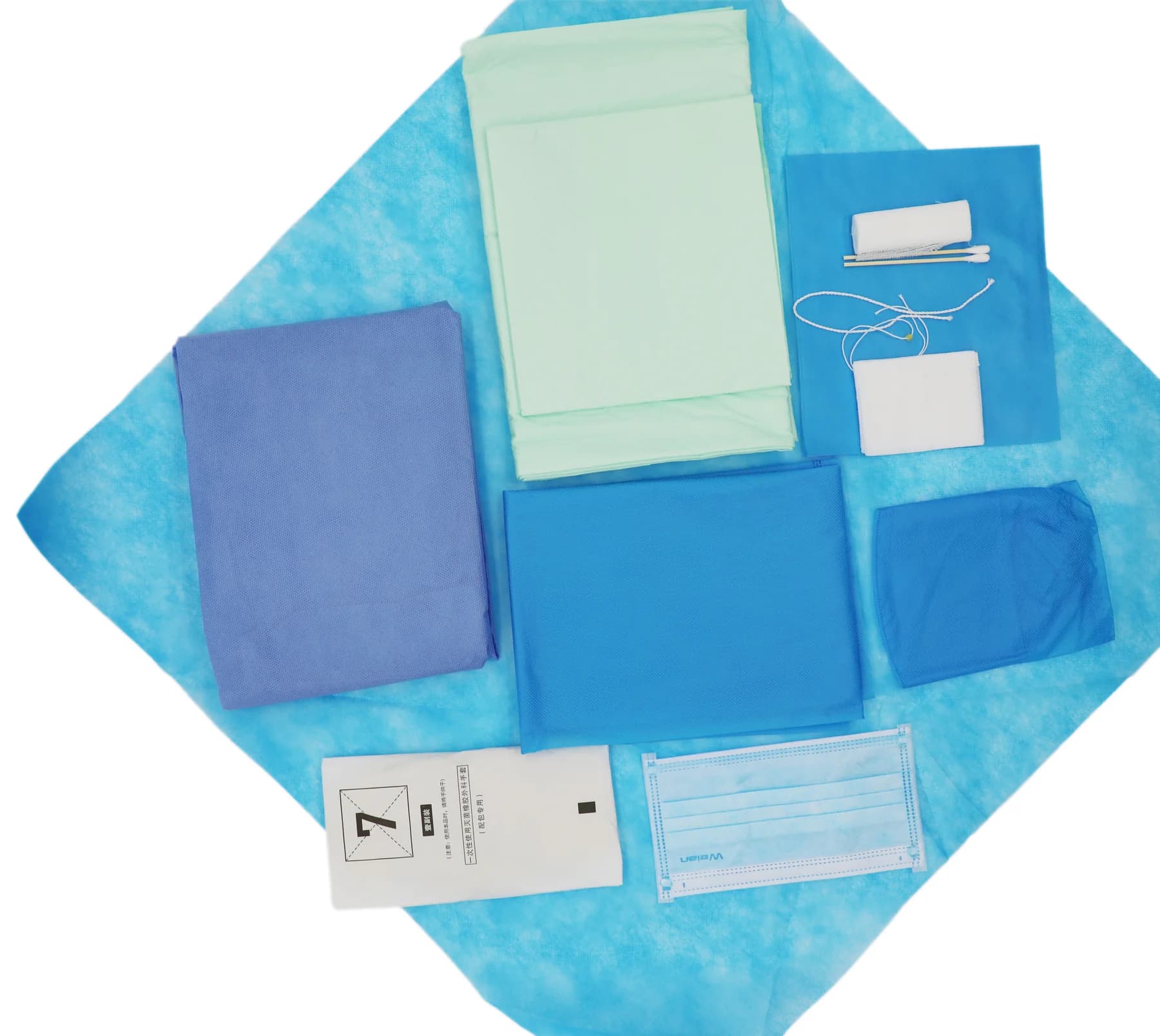
Choosing a surgical gown is not a single-specification decision. Procurement teams need to consider the intended procedure, expected exposure conditions, required barrier classification, material construction, reinforced zones, sizing, labeling and supporting documentation together.
For B2B buyers, the first step is to separate verified product claims from general category language. A supplier may offer several materials or construction options, but the exact model, test evidence and labeling must support the level or intended use being purchased.
Understanding AAMI Barrier Levels
ANSI/AAMI PB70 establishes a classification system for liquid barrier performance of protective apparel and drapes used in healthcare facilities. The FDA currently lists ANSI/AAMI PB70:2022 with partial recognition. The classification contains four performance levels, progressing from minimal to high liquid-barrier performance.
A level number should never be inferred from color, fabric name, product weight or the word reinforced. Buyers should ask for the claimed classification, applicable test evidence, product labeling and model-specific documentation.
| Classification | General barrier category | Buyer verification |
|---|---|---|
| Level 1 | Minimal liquid-barrier performance | Verify labeling and applicable impact-penetration evidence |
| Level 2 | Low liquid-barrier performance | Verify labeling and applicable impact/hydrostatic evidence |
| Level 3 | Moderate liquid-barrier performance | Verify model-specific evidence for the claimed classification |
| Level 4 | High liquid-barrier performance | Verify model-specific pathogen-penetration evidence and labeling |
Review Surgical Gown Materials
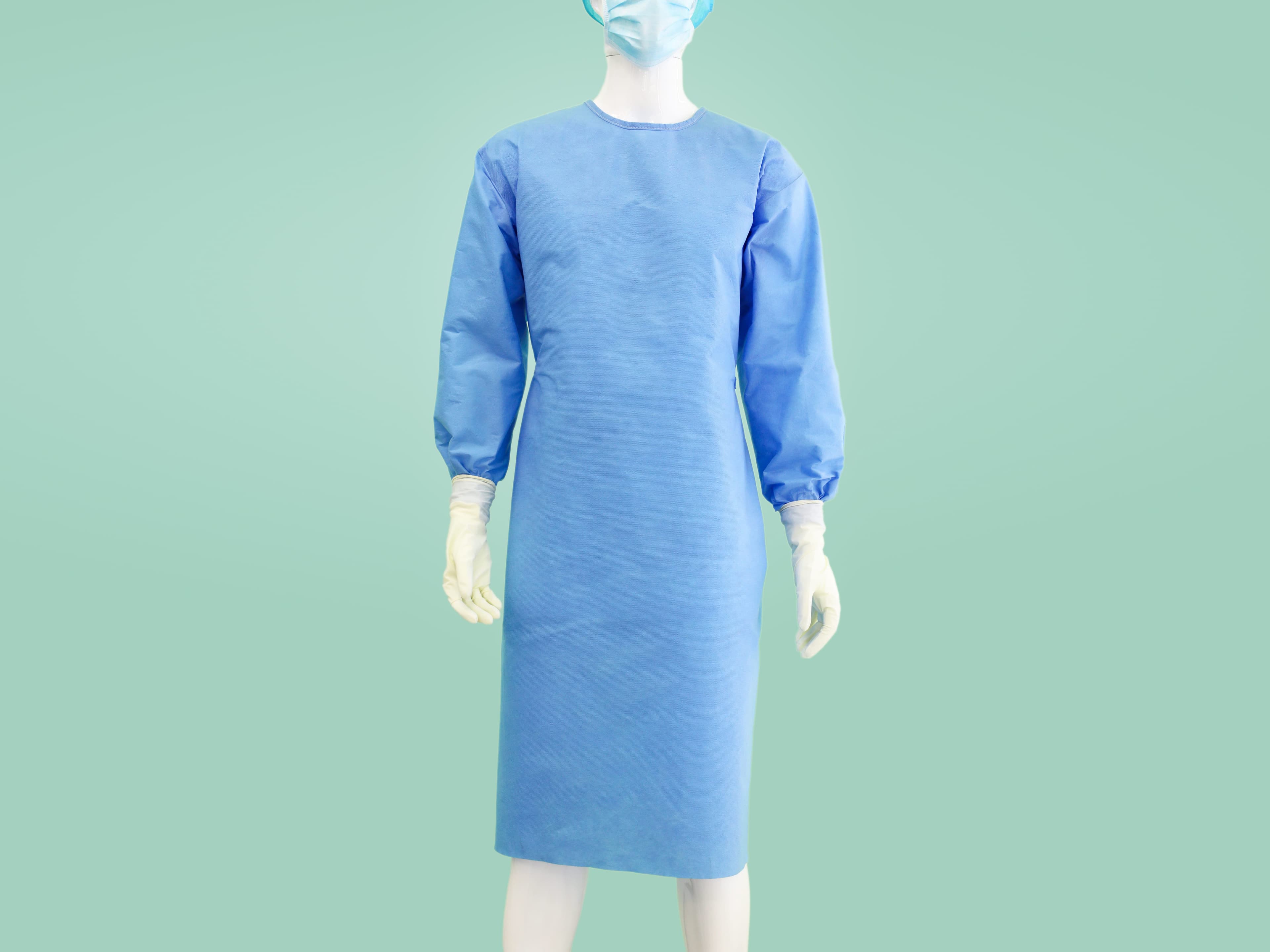
The project product catalog lists SMS, SMMS, SSMMS and spunlace non-woven options for FTG-001 and FTG-002. These names describe material or construction families; they do not by themselves prove a specific barrier level, comfort result or intended procedure.
Ask the supplier to identify the exact material used for the quoted model, the relevant construction details and the documentation supporting any performance claim. Compare samples under the same agreed specification rather than comparing material acronyms alone.
Standard vs. Reinforced Gowns
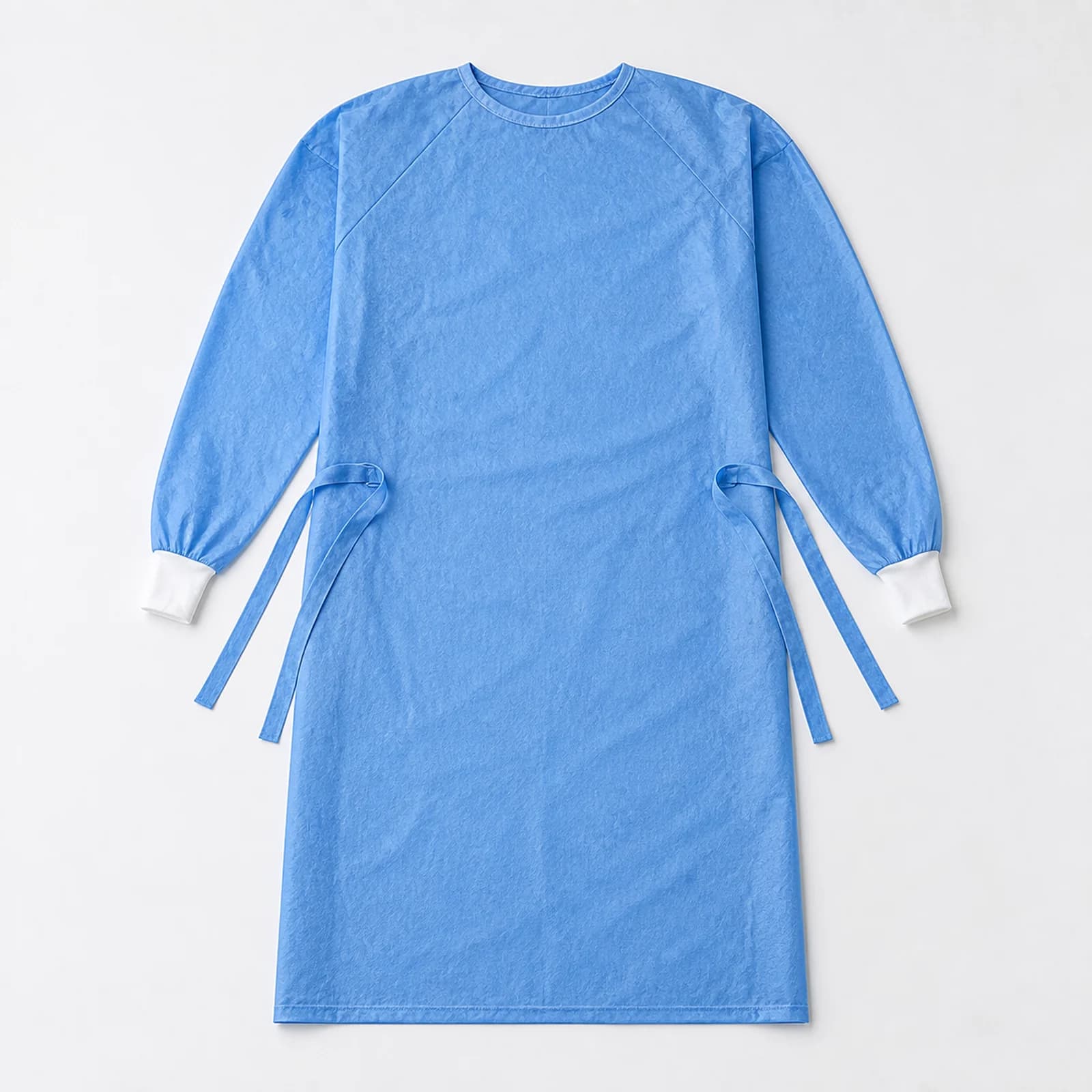
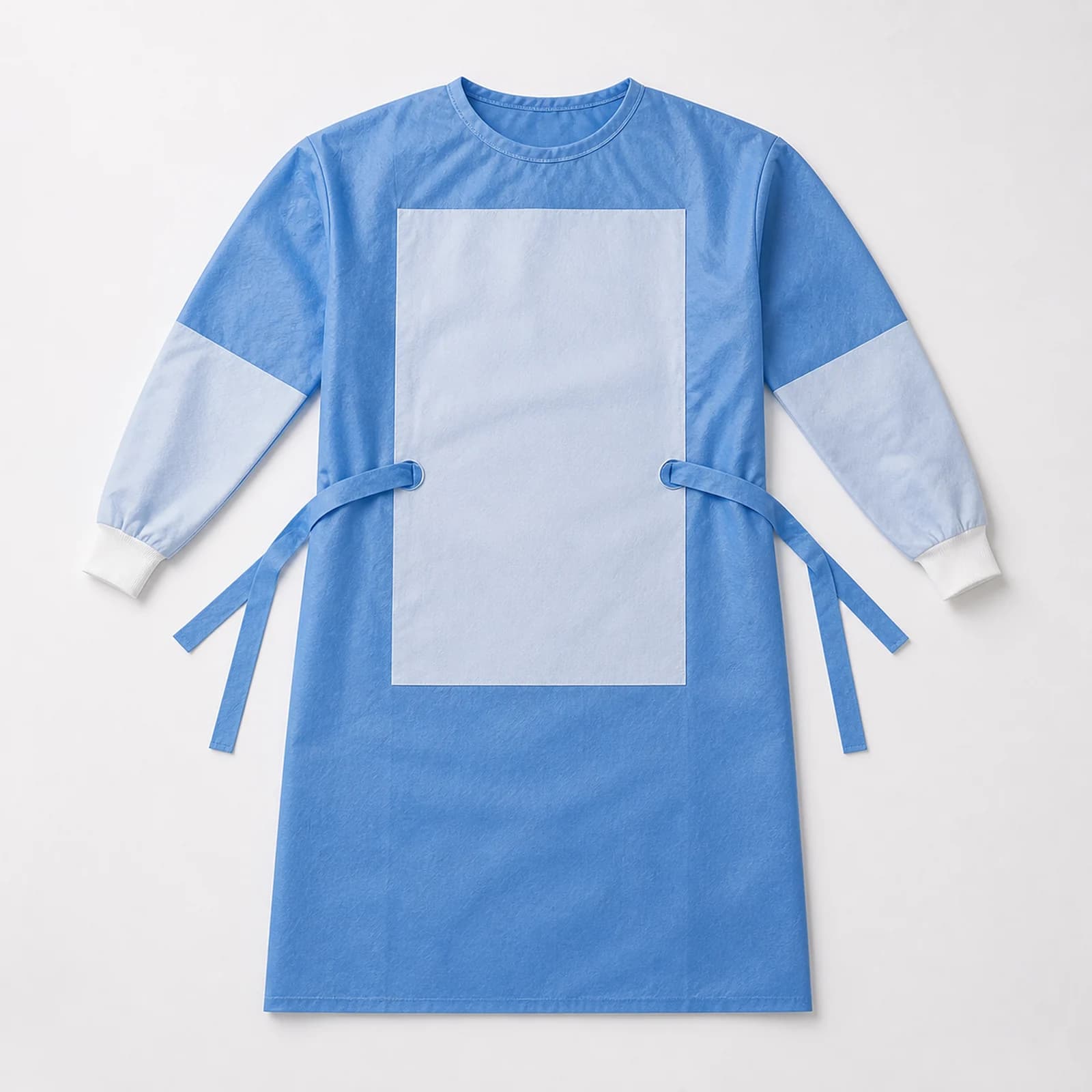
The catalog lists FTG-001 as a Standard Surgical Gown and FTG-002 as a Reinforced Surgical Gown. FTG-002 includes catalog-listed PE or fabric reinforcement choices and half or full reinforcement options.
Reinforcement changes product construction, but it should not be treated as an automatic substitute for verified barrier classification. Buyers should confirm reinforcement material, coverage, seam construction, size and the test evidence applicable to the finished model.
How Buyers Should Select
- Define the intended procedure and exposure conditions with the end user.
- Specify the required regulatory market, labeling and barrier classification.
- Confirm material, reinforcement coverage, cuff, sleeve and closure options.
- Request model-specific technical files and test reports before approval.
- Evaluate samples using an agreed written specification.
- Lock the approved specification before bulk production or private labeling.
Supplier and Documentation Considerations
A qualified comparison should include traceable model names, consistent specification sheets, packaging details, available quality documentation, change control and communication responsibilities. Claims about sterility, barrier level or regulatory status must be verified for the exact product and destination market.
Future Tech’s current website product data does not identify an AAMI level for FTG-001 or FTG-002. That field therefore remains TODO pending verified model-specific documentation.
Conclusion
The right surgical gown is the one whose intended use, construction, labeling and verified performance documentation align with the buyer’s defined requirement. Start with the procedure and required evidence, then compare materials and reinforcement within that framework.