Introduction
When sourcing a custom surgical pack, the component specification is only one part of the production file. Packaging and labeling requirements should also be defined before bulk production because they affect identification, artwork, packing plans, quotation assumptions and destination-market review.
A useful packaging brief begins with the approved pack configuration and then records pack format, label content, private branding, carton requirements and documentation. This guide does not assume that every Future Tech surgical pack is sterile or uses one packaging system. Those requirements depend on the selected product and project and remain subject to technical review.
Why Packaging Should Be Defined Before Production
Early definition supports more accurate quotation and more consistent production instructions. It gives the supplier time to review label space, artwork, product references, carton quantities and language requirements together with the final component list.
Late packaging changes can affect more than appearance. A revised pack size may change carton planning; a new language may change label layout; a changed component list may invalidate already approved product identification. Buyers should therefore treat packaging as part of the controlled specification.
1. Confirm the Pack Configuration First
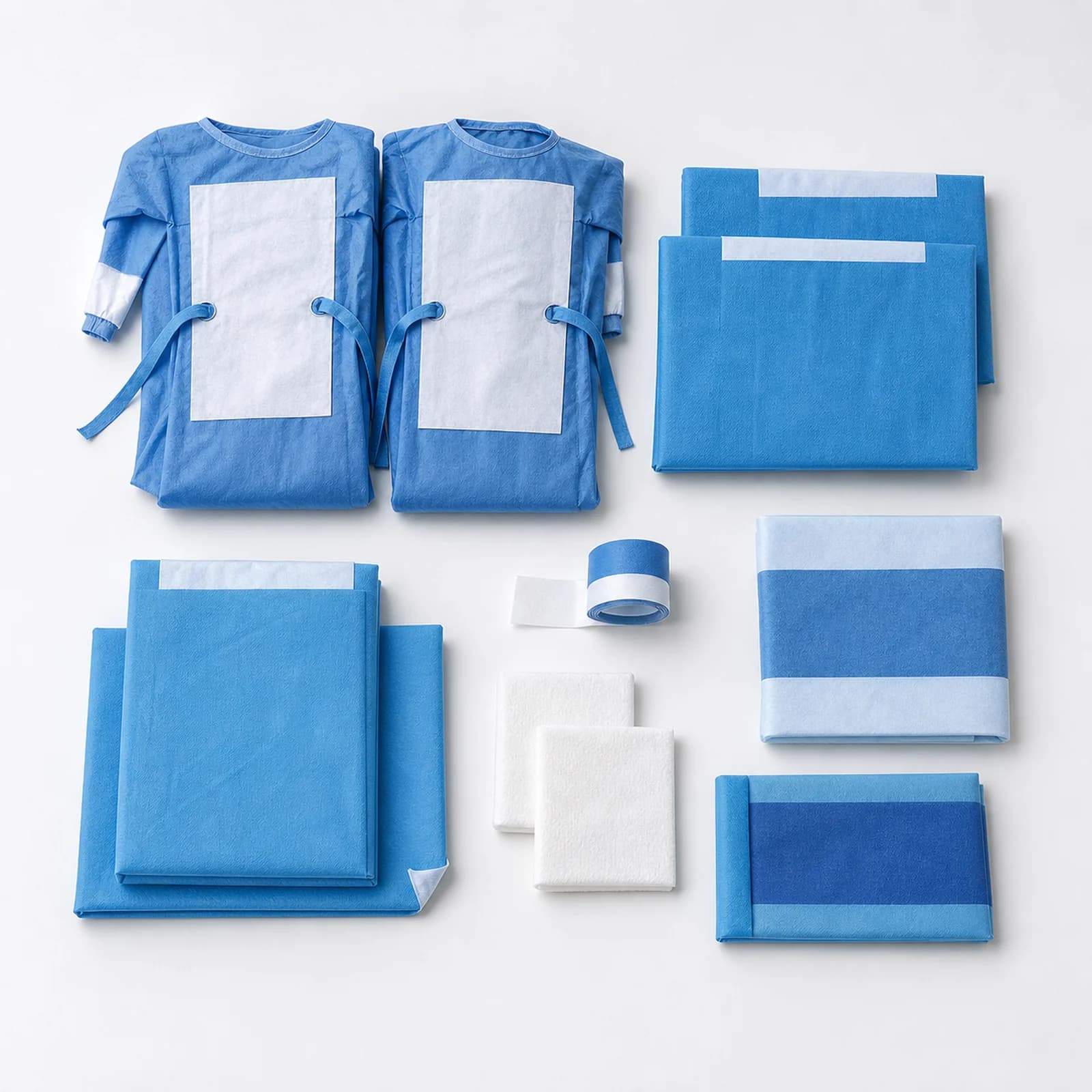
Packaging should be based on the final list of components, specifications and quantities. A name such as Universal Pack or Delivery Pack is a catalog reference, not a complete packaging instruction. Record additions, removals and substitutions before approving a label or pack layout.
Confirm the configuration revision, overall pack dimensions where relevant and any component identification needed inside or outside the pack. If the bill of materials changes, review the packaging and artwork again.
2. Define Individual Pack Requirements
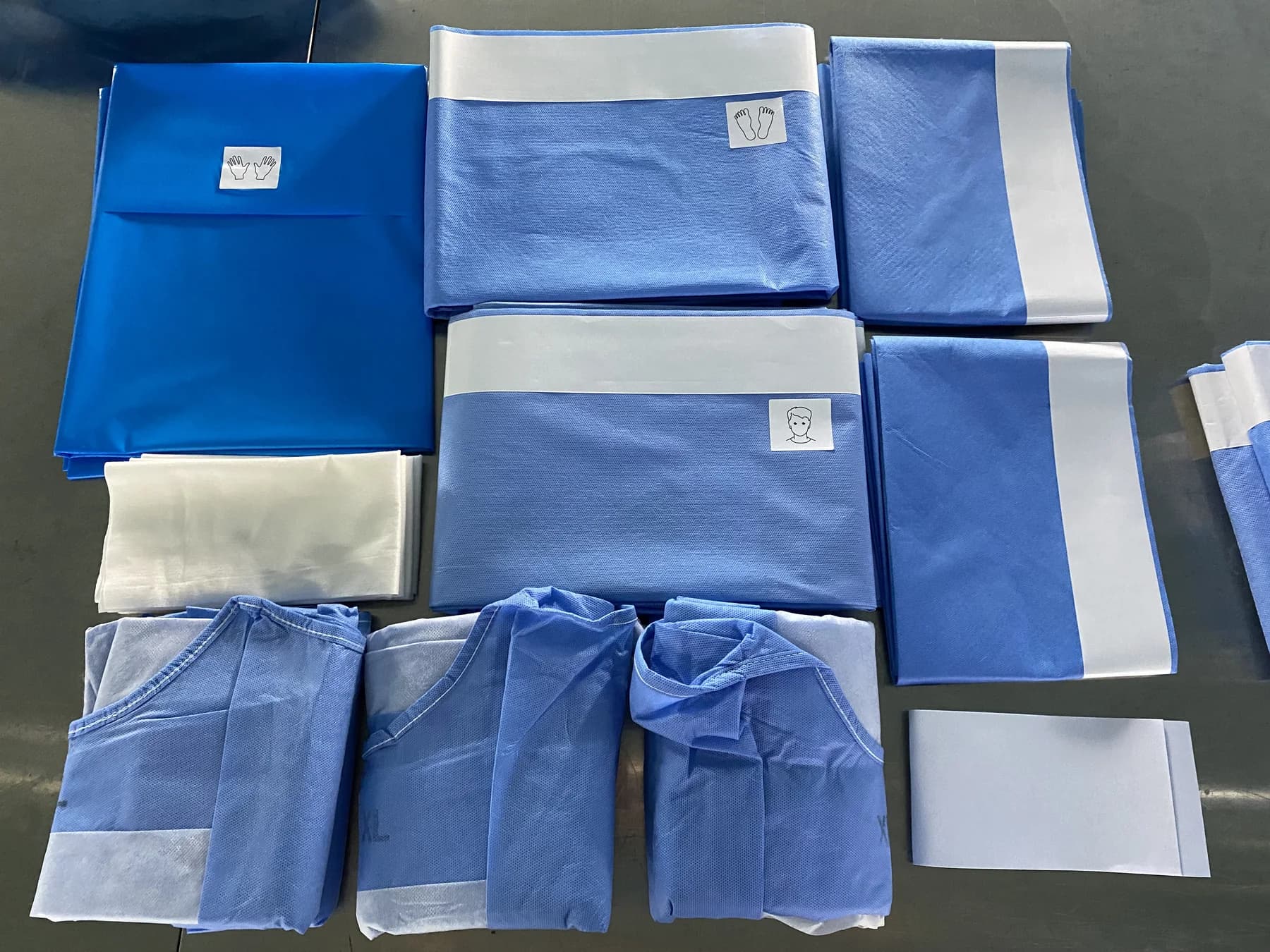
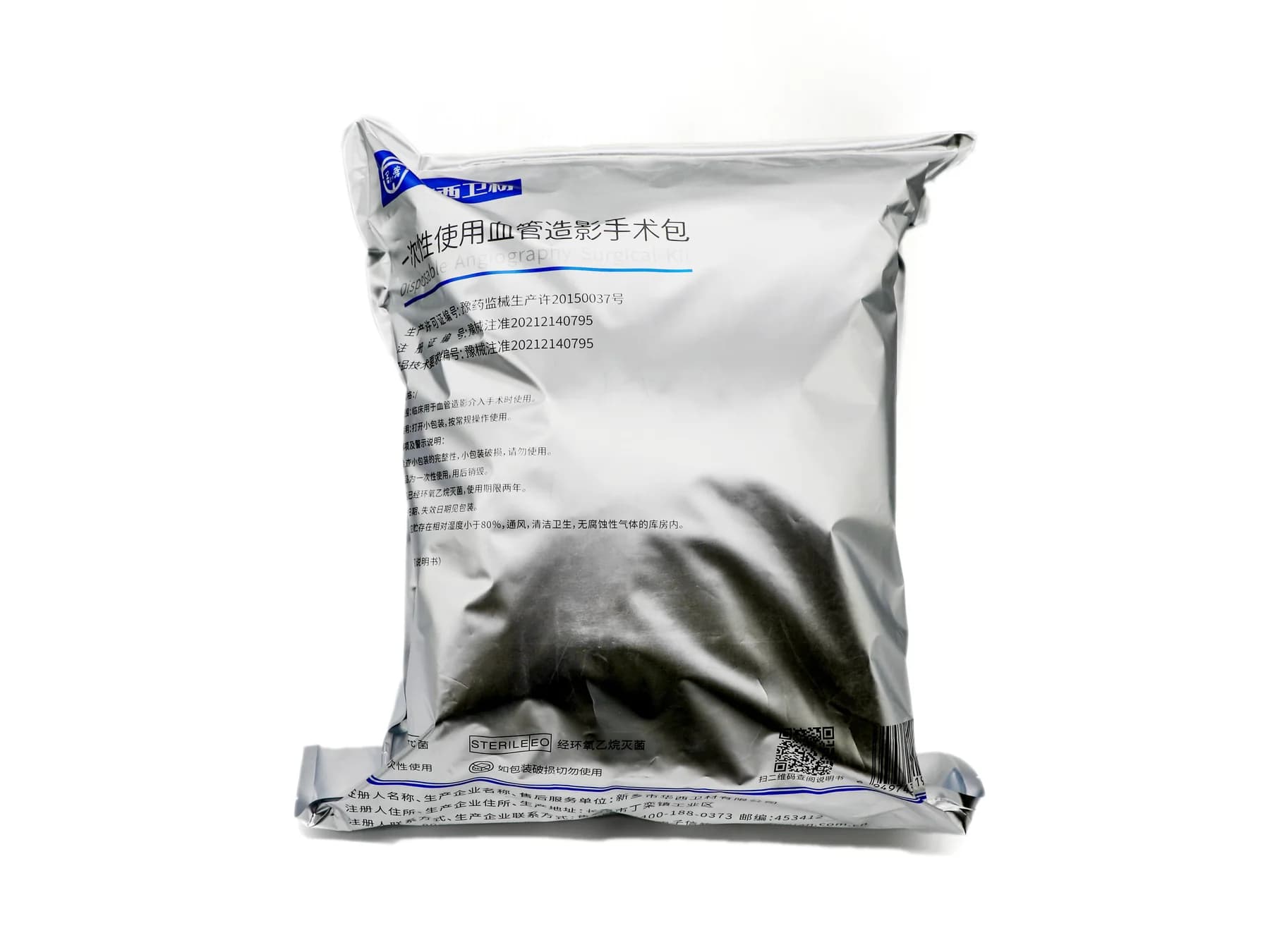
Describe the requested pack format and how the product must be identified. Provide the product name, model or buyer reference, configuration information and language requirements. If dimensions or arrangement affect the packaging, include them in the review file rather than leaving them to a product photograph.
Where a sterile packaging requirement applies, state the required status and applicable evidence clearly. Do not use the words surgical pack as proof of sterility, and do not assume that a packaging material or appearance demonstrates a verified sterile barrier.
3. Confirm Sterile or Non-Sterile Requirements
The buyer should identify sterile or non-sterile requirements during specification review. The quotation, product label, order and supporting documentation should use consistent language for the selected configuration.
Where sterilization applies, ask which method and documentation relate to the exact product and packaging. Future Tech does not publish one universal sterilization method, sterility assurance level or shelf life for all FTP models. Confirm every required field for the selected project.
4. Define Label Information
Prepare a field list before artwork begins. Depending on the product and market, the buyer may need to review the product name, model, component or quantity information, lot or batch information where applicable, manufacturing information where required, expiry information where applicable, destination-market information and label language.
Identify fixed and variable fields. Confirm terminology, units, model references and translations. The final content must follow the applicable product and market requirements; this checklist is not a substitute for regulatory review.
| Label field | Buyer decision | Control point |
|---|---|---|
| Product identity | Name, model or buyer reference | Match the approved configuration |
| Contents | Component or quantity information where required | Match the controlled bill of materials |
| Traceability | Lot or batch fields where applicable | Confirm data source and format |
| Market information | Required language and responsible-party details | Review for destination market |
| Date information | Manufacture or expiry fields where applicable | Support with applicable documentation |
5. Prepare Private-Label Artwork
Provide the logo, brand name, label layout, colors, barcode data where required, product reference and editable artwork file. Use a revision number so comments are applied to the correct proof. Identify which content is commercial branding and which content is required product information.
Final artwork should be approved before production. Check spelling, language, barcode content, model, component references, quantities and visual placement. Artwork remains subject to technical and destination-market review.
6. Confirm Outer Carton Requirements
Define quantity per carton, carton mark, product model, buyer reference and shipping mark. Provide dimensions or weight-information requirements where applicable, but do not assume a fixed carton specification before the final pack and quantity are confirmed.
Clarify whether different models, sizes or languages require separate cartons or marks. The packing list, carton label and purchasing file should use consistent references so the buyer can reconcile shipment information.
7. Check Destination-Market Requirements
Tell the supplier the destination country early. Language, labeling, registration and import-document requirements may differ between markets. A package approved for one destination should not automatically be reused for another without review.
The buyer should identify applicable requirements and the roles of the manufacturer, brand owner and importer. Ask the supplier which documents are available for the selected configuration, and verify their scope rather than relying on a general claim.
8. Review Packaging During Sample Confirmation
Use the sample or pre-production review to check the pack layout, label, artwork, component identification and overall packaging configuration. Compare every element with the approved bill of materials and artwork file. Record corrections in writing and issue a revised proof where necessary.
A packaging photograph is useful evidence of appearance but does not replace the approved specification. Confirm how the sample will be identified and whether any production materials differ from the review sample.
9. Final Packaging Checklist Before Bulk Production
- Final pack configuration and revision
- Individual packaging format
- Product name, model and configuration information
- Sterile or non-sterile requirement
- Label content and language
- Private-label brand and approved artwork
- Barcode where required
- Quantity per carton
- Carton mark and shipping mark
- Destination country
- Required product, quality and shipping documentation
- Named approver and approval date
Common Packaging Mistakes Buyers Can Avoid
Most preventable packaging problems begin with late or incomplete information. A controlled approval schedule helps the buyer and supplier identify which decisions must be closed before materials are prepared.
- Submitting artwork after the product specification is approved
- Leaving label language or translations unconfirmed
- Failing to approve carton and shipping marks
- Changing pack contents after packaging confirmation
- Providing destination-market requirements too late
- Using a barcode or model reference without verification
- Approving a visual proof that does not match the component list
Maintain One Packaging Approval Record
Consolidate the approved bill of materials, label proof, private-label artwork, pack format and carton mark in one revision-controlled record. Name the person or team responsible for each approval and record the date. This helps the supplier distinguish final files from earlier drafts and gives the buyer a practical reference for inspection and repeat orders.
The approval record should also list fields that depend on production data, such as lot or batch information where applicable, without inventing those values in advance. Define the source and format instead. When a component or destination requirement changes, identify which packaging documents need another review.
Before release, compare the order and shipping-document requirements with the same product references used on the packaging. A consistent model name, configuration revision and carton reference reduce avoidable administrative discrepancies without making unverified claims about product performance.
Conclusion
Surgical pack packaging should be defined with the same care as the component configuration. Confirm the pack format, sterile status where applicable, label content, artwork, carton plan, destination and documentation before bulk production.
Future Tech's FTP catalog can provide a starting configuration. The final components, packaging, labeling and applicable documentation are confirmed for each project.