Introduction
An OEM surgical gown inquiry is easier to evaluate when the buyer defines the product before requesting a price. Importers, distributors and medical brands should prepare the intended product type, construction, size range, branding, packaging, destination market and document requirements as one controlled brief.
A product photograph and logo are not enough to confirm feasibility or prepare comparable quotations. Each technical or market claim must relate to the selected model and available documentation. Options remain subject to technical review, and the final specification should be approved before production.
What Does OEM Mean for Surgical Gown Buyers?
For a surgical gown buyer, OEM work can combine an agreed product specification with buyer branding and packaging. It may involve selecting a catalog model as a reference, confirming materials and construction, defining dimensions, preparing artwork, reviewing samples and approving the production file.
OEM does not mean every element can be changed without technical consequences. Product, packaging and label requirements must be reviewed together. The buyer should also identify which entity and information must appear on documents and labels according to the destination market.
1. Define the Surgical Gown Specification
Begin with the product type and intended purchasing requirement. Identify the reference model, requested material, standard or reinforced construction where applicable, size, cuff, sleeve, closure and other relevant details. State whether sterile or non-sterile supply is required where applicable, but do not infer status from the product name or image.
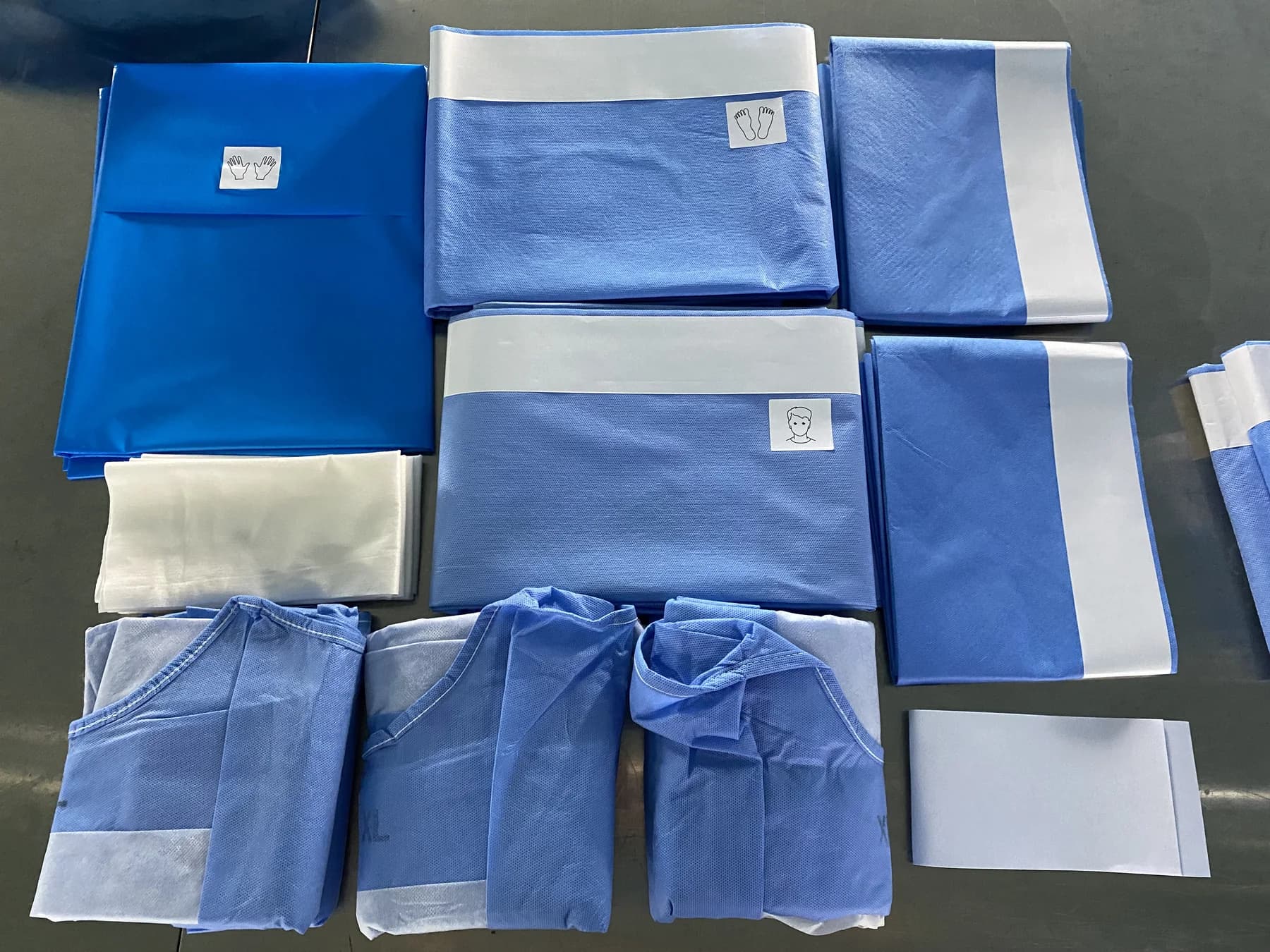
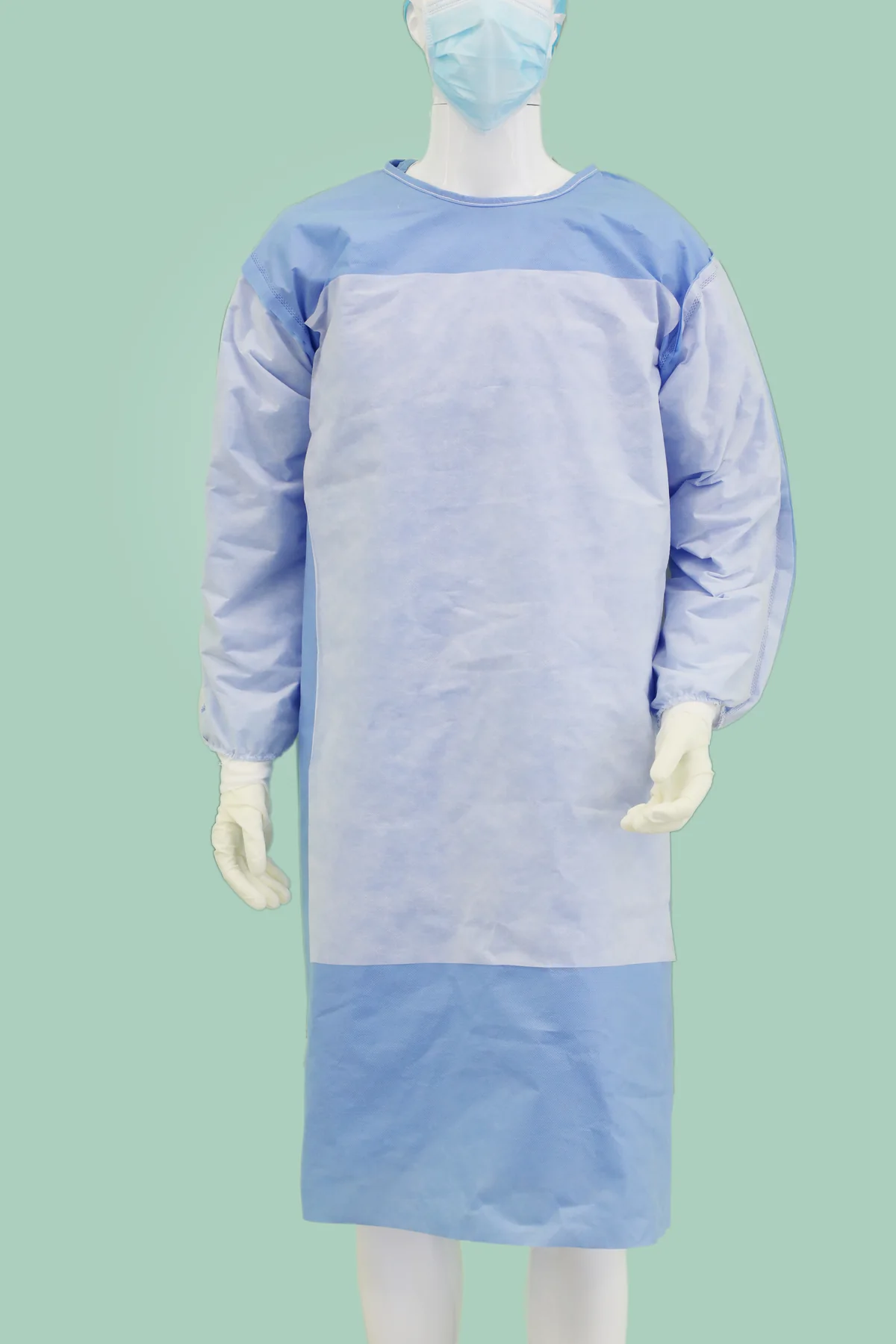
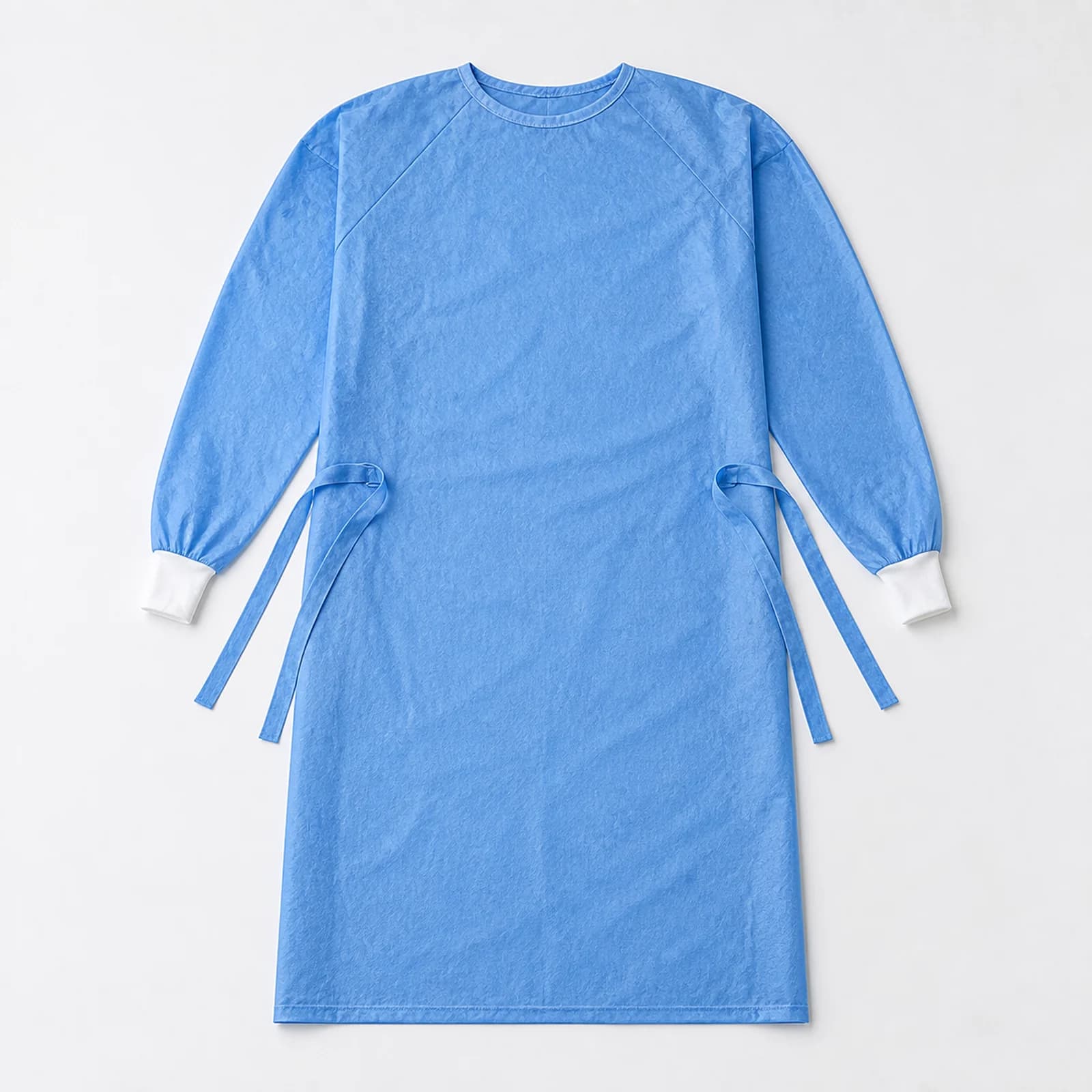
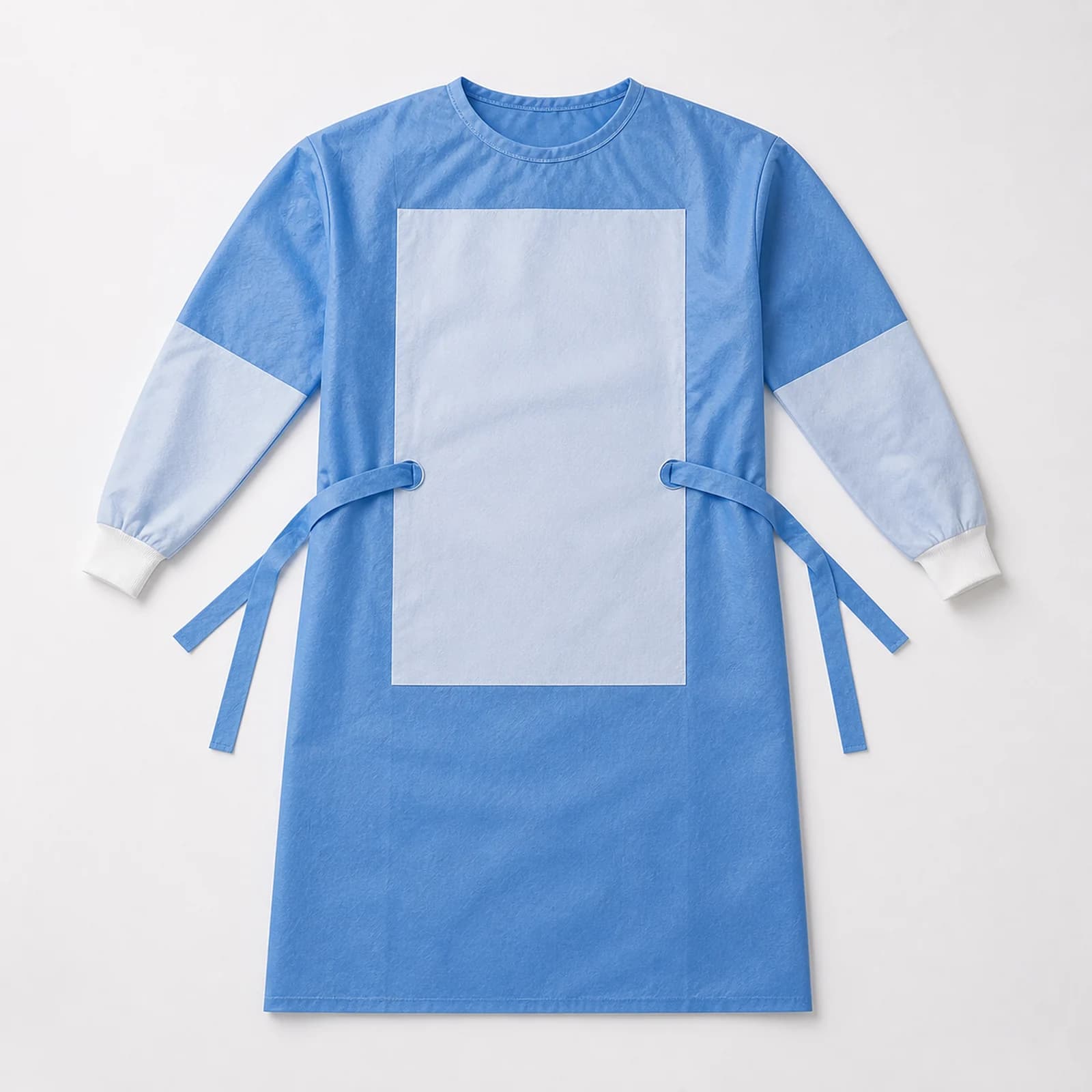
Future Tech publishes FTG-001 Standard Surgical Gown and FTG-002 Reinforced Surgical Gown as catalog starting points. Final material, construction, protection claims and documentation must be confirmed for the selected project. Do not add an AAMI level or regulatory claim unless model-specific evidence supports it.
2. Prepare the Size Range and Measurements
List all requested size codes, finished measurements, measurement points, units and tolerances where applicable. Include the expected quantity split if known because it helps packaging and planning discussions. Do not assume that a supplier's M, L or XL matches an existing private-label range.
Use a drawing or controlled chart when possible. Link it to the model and construction being reviewed, and evaluate samples using the same method.
3. Define Branding and Private-Label Requirements
Prepare the brand name, logo files, product label content, artwork, inner-packaging concept, outer-carton mark and barcode requirement where applicable. Distinguish fixed brand elements from variable product or batch information. Provide editable artwork in the format requested by the supplier.
Branding and label content remain subject to technical, legal and destination-market review. The buyer should approve spelling, colors, product references, languages and placement before production. A marketing design should not override required product information.
| Area | Buyer input | Approval point |
|---|---|---|
| Brand identity | Brand name, logo and color references | Approved artwork |
| Product label | Required text, language and model reference | Final label proof |
| Inner packaging | Format and printed information | Sample or layout approval |
| Outer carton | Carton mark and shipping information | Carton artwork approval |
| Barcode | Type and data where required | Scannable proof and buyer confirmation |
4. Confirm Packaging Requirements
State whether the product requires individual packaging, how sizes should be identified and the expected quantity per inner pack or carton. Provide required label languages, carton marks and destination information. If a specific packaging performance or sterile barrier is required, identify the applicable requirement and documentation rather than using a general phrase.
Packaging can affect artwork space, carton planning and quotation. Confirm it alongside the product specification so a later packaging change does not create an unreviewed product or logistics change.
5. Provide Expected Order Quantities
Give the expected order quantity and size ratio, even if the first figure is an estimate. Quantity can affect material planning, packaging configuration, artwork setup and quotation assumptions. It also helps the supplier distinguish a sampling inquiry from a production project.
Future Tech does not publish one fixed MOQ that applies to every OEM gown project. Ask for the applicable commercial terms after the product and customization scope are clear.
6. Identify the Destination Market
Provide the destination country and known product, labeling, language, registration and import requirements. The same artwork or document set should not be assumed suitable for every market. Identify the buyer, brand owner, importer or other responsible party information that may be required.
The supplier can review available information for the proposed product, but the buyer should not interpret a general company document as proof of market access for every model. Confirm the applicable legal and regulatory responsibilities before approval.
7. Confirm Required Documentation
Create a document list for the product, quality, commercial and market-specific records needed by the buyer. Examples may include a product specification, applicable quality documents, test or technical records required for stated claims, invoice and packing documentation, and market-specific documents where applicable.
For every requested document, confirm the product or model scope, manufacturer information, destination market and validity. Do not request unsupported claims simply because they appeared in another supplier's file.
8. Review Samples and Pre-production Details
Use the sample stage to compare dimensions, material, construction, cuff, closure, branding and packaging with the written brief. Mark the sample with the correct revision and record every requested correction. A photograph may document appearance, but it should not replace the signed specification.
Sample type, availability, cost and timing depend on the project and should be confirmed during quotation. Once the review is complete, ensure the approved artwork and technical file refer to the same product version.
9. Approve Final Specifications Before Bulk Production
Before production, consolidate the approved product specification, size chart, artwork, packaging, quantities, destination and document list. Resolve open fields and record any accepted alternatives. Identify who can authorize changes and how a revised file will be issued.
The quotation, order, approved sample and production specification should describe the same product. If the buyer changes material, construction, dimensions, artwork or packaging afterward, the affected fields require another review.
OEM Surgical Gown RFQ Checklist
- Reference model or clear product type
- Material and construction
- Standard or reinforced configuration where applicable
- Size range, measurements and tolerances
- Cuff, sleeve and closure details
- Sterile or non-sterile requirement where applicable
- Expected quantity and size ratio
- Individual and carton packaging
- Brand name, logo, label and artwork files
- Barcode or carton-mark requirements where applicable
- Destination market and label languages
- Required documentation
- Reference sample, drawing or approved chart
What Makes an OEM Inquiry Easier to Evaluate?
A structured requirement file is more useful than a product image with a request for the best price. It lets the supplier identify confirmed fields, options and gaps, and it lets the buyer compare quotations on equivalent terms.
If some information is not yet available, label it as pending rather than guessing. Separate mandatory requirements from preferences and identify the closest reference model. This gives technical review a clear starting point without turning assumptions into production instructions.
Coordinate Technical and Commercial Review
An OEM project often moves between procurement, product, brand and logistics contacts. Give each decision a responsible reviewer and avoid approving technical details only inside an email thread. A simple approval register can list the product specification, size chart, sample, label, inner packaging, carton artwork and document matrix with an owner and revision status.
Commercial assumptions should refer to the same revision used for technical approval. If a change affects material, size range, printing, packaging quantity or required documentation, ask the supplier to confirm the impact before the purchase order is finalized. This prevents an earlier quotation from being treated as valid for a later configuration.
Before release, conduct one cross-check between the buyer brief and supplier confirmation. Unresolved items should remain clearly marked as pending; they should not be converted into assumed production values. This final review makes handover easier when different teams manage sampling, ordering and shipment preparation.
Conclusion
A successful OEM surgical gown inquiry starts with a complete, reviewable brief. Define the gown, sizes, branding, packaging, quantity, destination and documentation before expecting a final quotation.
Future Tech can review FTG catalog models and private-label requirements as a project starting point. Final options remain subject to technical and documentation confirmation.