Introduction
A surgical pack component list is more than a checklist of items. For an importer, distributor, hospital supplier or tender team, it is the working definition of the product being quoted. If names, sizes or quantities remain unclear, two suppliers can return different prices for products that appear to carry the same pack name.
A useful review converts every line into a controlled purchasing requirement. The buyer identifies what is mandatory, what remains optional and what needs technical confirmation. Future Tech's FTP models can serve as configuration starting points, but the final contents must follow the buyer's confirmed requirements and approved bill of materials.
1. Why the Component List Is the Starting Point of a Surgical Pack RFQ
The component list connects the clinical or tender requirement with the commercial quotation. It allows purchasing teams to compare the same scope across suppliers and gives the manufacturer a basis for checking feasibility, material use, packaging and product preparation.
Begin with a version-controlled table rather than an informal message. Give the list a project name, revision and date. If the list changes after quotation, highlight the revised lines so the effect on configuration and commercial terms can be reviewed.
2. Check the Exact Component Name
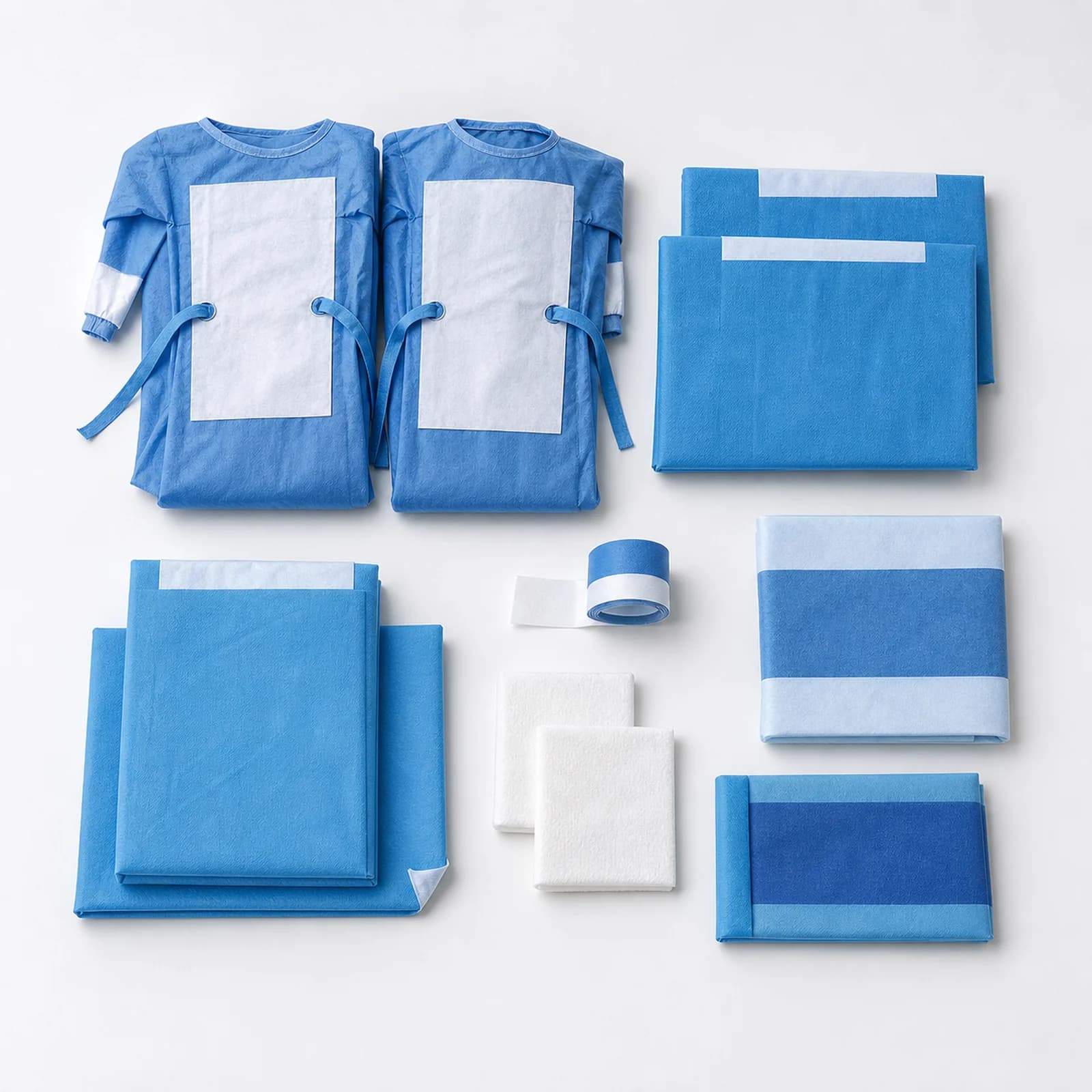
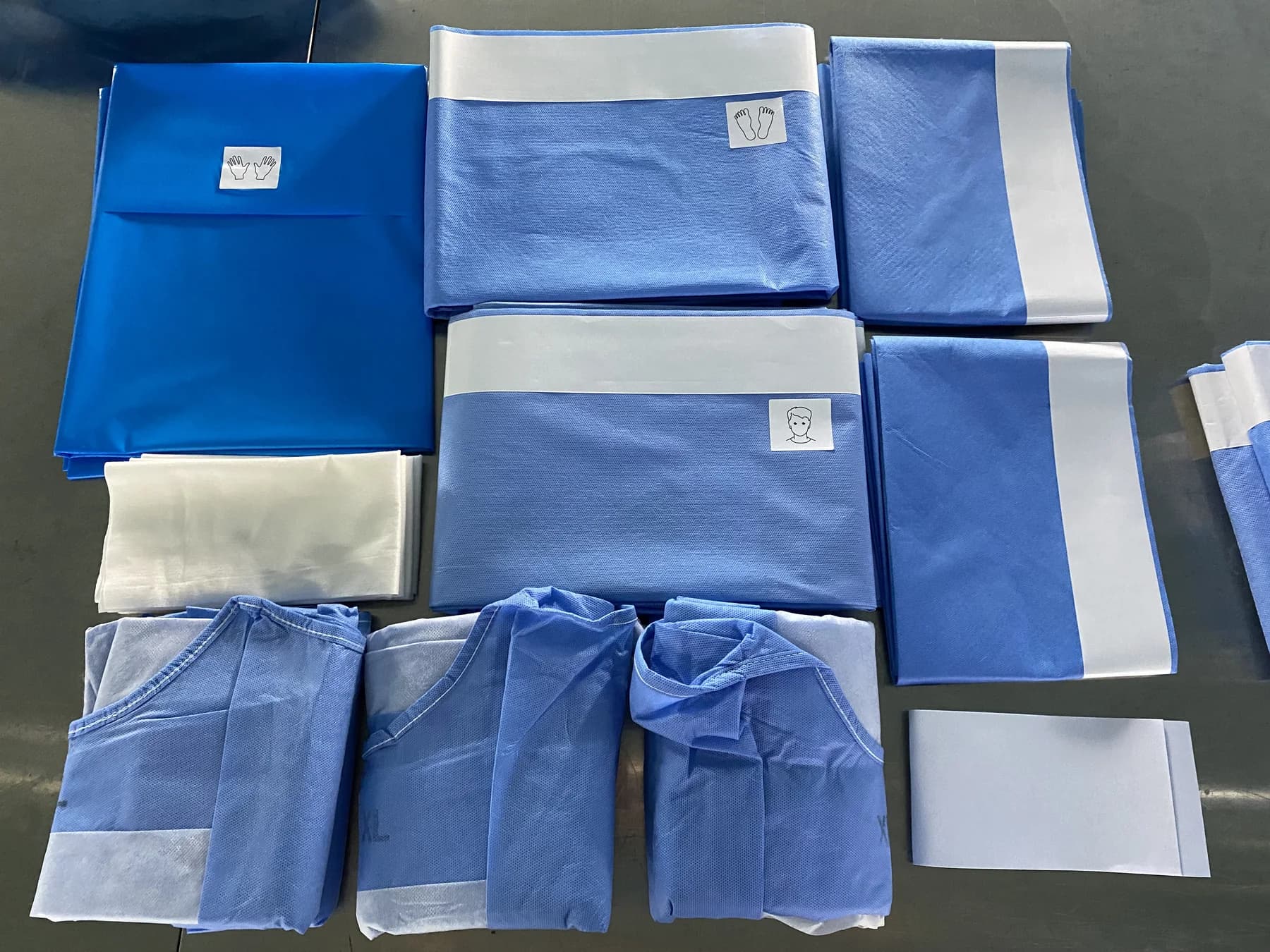
Use a specific name for each component and avoid local abbreviations that may not be understood by another supplier. A generic entry such as drape, cover or towel may describe several constructions. Add a drawing, reference photograph or short functional description when the name alone is not sufficient.
Do not use a photograph as the only specification. Link the photograph to a written item name and revision. If an equivalent item may be considered, state which features are mandatory and which alternatives require buyer approval.
3. Confirm the Quantity of Each Component
Record the number of each component per finished pack. Distinguish quantity per pack from quantity per carton or total order quantity. This is especially important when repeated items such as hand towels, gowns, adhesive tapes or collection pouches are included.
Check whether paired items are counted as one pair or two pieces. When comparing quotations, confirm that every supplier uses the same unit. A small quantity ambiguity can change both the pack contents and the quoted cost.
4. Review Dimensions and Sizes
For every sized component, include the dimension and unit. State whether a measurement refers to the finished item, an unfolded drape, a gown size or another agreed method. Avoid mixing centimeters and inches without an explicit conversion.
If the requirement comes from a tender or an existing pack, verify that dimensions were copied correctly. Mark any tolerance or acceptable range only when the buyer has authority to do so; otherwise leave it as a field requiring confirmation.
5. Confirm Material and Construction Where Applicable
The same component name may be manufactured in different materials or constructions. Identify the requested material family, reinforcement, absorbent area, adhesive area, fenestration, cuff, closure or other relevant construction details where they apply.
Material names alone do not establish clinical performance or regulatory classification. Any protection or performance claim should be supported by documentation for the final product and market. Keep unverified fields clearly marked instead of filling them with assumptions.
6. Check Drapes and Fenestration Requirements
For a drape, review overall dimensions, material, reinforcement and the location and size of any opening. If adhesive surrounds a fenestration, record its size and placement. State whether tubing holders, pouches or integrated features are required rather than assuming they come with the named drape.
Use a simple drawing when orientation matters. Label the patient side, head or foot direction and relevant distances. A controlled drawing is more reliable than an unmarked image when the manufacturer prepares a sample.
7. Review Gowns, Covers and Procedure-Specific Components
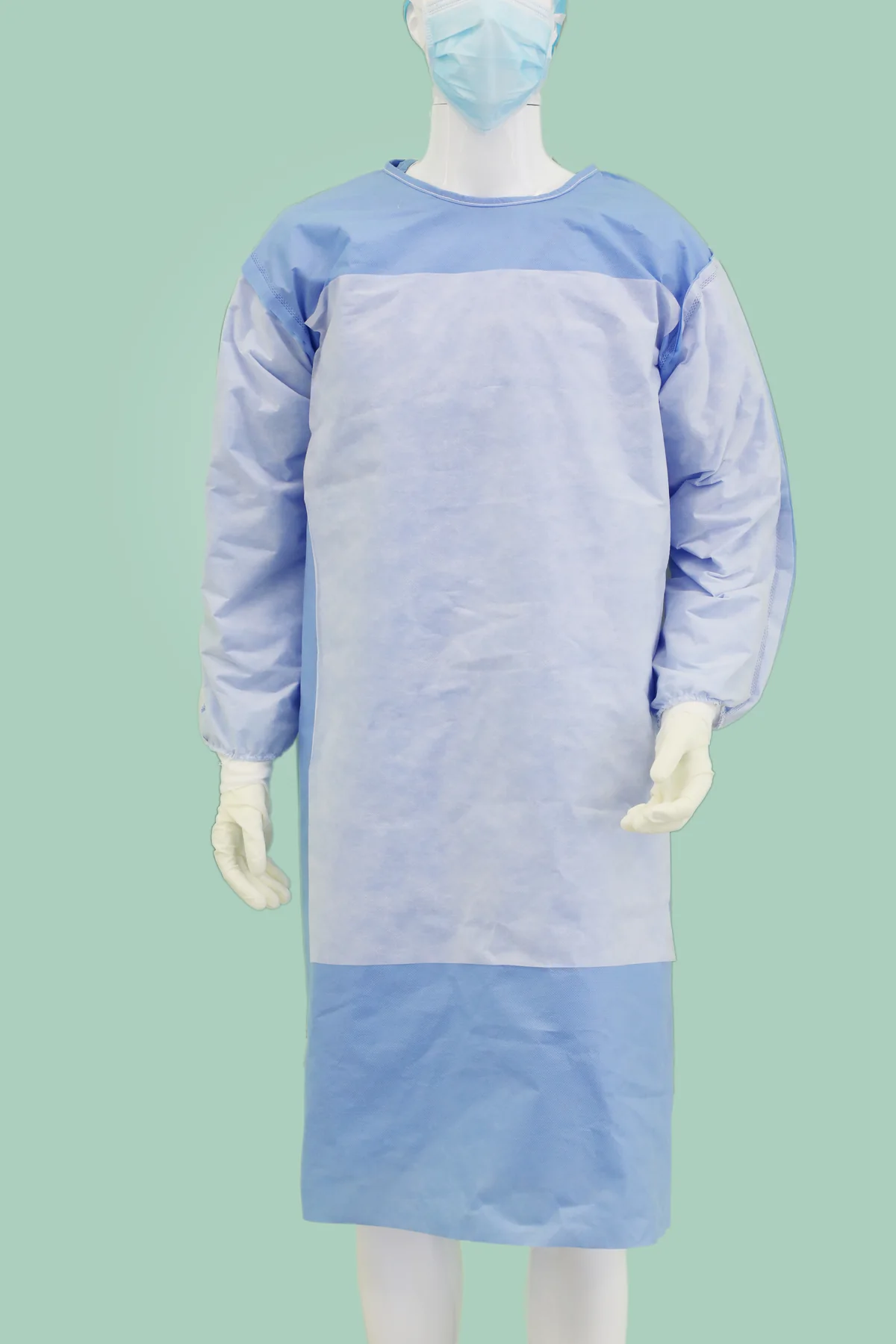
If gowns are included, identify standard or reinforced construction, sizes and quantities. For table covers, equipment covers, leggings, collection pouches or procedure-specific drapes, record the attributes needed to distinguish the requested item.
Review these lines with the intended procedure and facility requirement in mind, but do not ask the supplier to make an unsupported clinical decision. The buyer or end user should confirm which components and specifications are suitable for the intended workflow.
8. Separate Mandatory Components from Optional Items
Create a clear status column for mandatory, optional, alternative or pending items. The base quotation should contain only the agreed mandatory configuration. Optional items can be priced separately so the buyer can assess changes without losing the original comparison basis.
If substitution is permitted, define the approval process. A supplier should not replace a component silently because the name appears similar. Record the accepted alternative in a revised component list before production.
9. Confirm Packaging and Pack Configuration
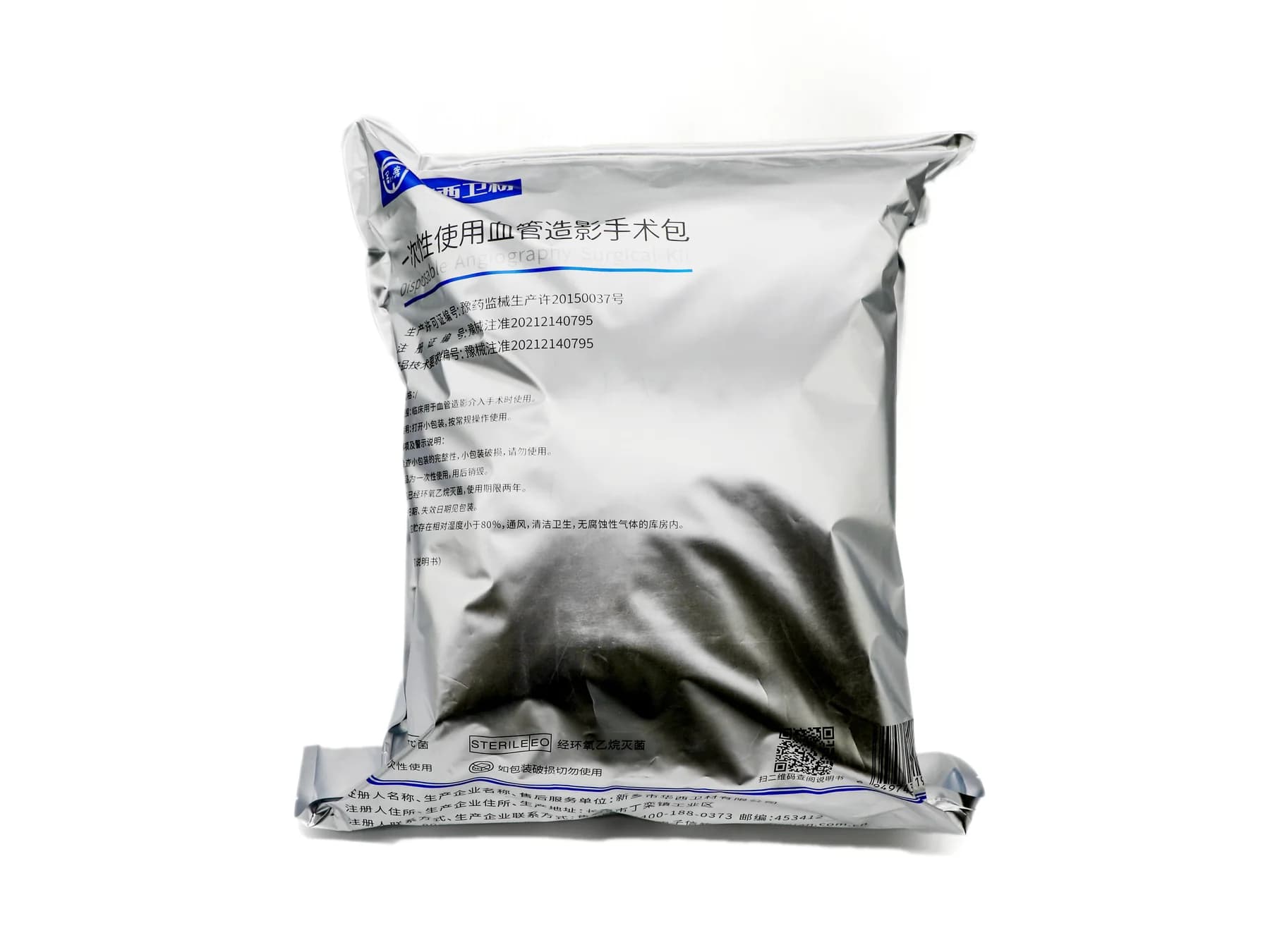
The component list should connect to the required pack configuration and packaging. Confirm whether the project requires one procedure set per pack, how the components should be grouped or identified, and what label, private-label artwork and carton information must be reviewed.
Where sterile or non-sterile supply is relevant, state the requirement and request applicable documentation. Do not infer sterilization method, shelf life or packaging performance from a product image.
10. Identify Missing or Ambiguous Specifications
Before sending the RFQ, filter the table for blank cells, inconsistent units, generic descriptions and comments such as same as sample. Replace each with a confirmed value, a referenced document or a clearly assigned open question.
Keep a clarification log showing the question, responsible party, response and revision affected. This prevents an answer given in email from being lost when the final bill of materials is prepared.
11. Turn the Component List into a Controlled RFQ
Attach the reviewed component list to the RFQ and identify it by filename and revision. Add the target quantity, destination country, packaging, private-label scope, documentation list and sample requirements. Ask suppliers to state deviations rather than silently quoting an alternative.
When quotations return, compare them line by line against the same controlled list. Resolve exclusions and assumptions before selecting a sample or approving commercial terms.
Surgical Pack Component List Checklist
- Exact component name and reference
- Quantity per finished pack
- Dimensions, size and unit
- Material and construction where applicable
- Drape opening, adhesive and orientation details
- Gown, cover and procedure-specific requirements
- Mandatory, optional and approved-alternative status
- Pack configuration and packaging requirements
- Destination market and required documentation
- List revision, date and named approver
Conclusion
An accurate surgical pack quotation starts with an accurate component list. Review every item, quantity, dimension, material and packaging field, then keep the approved version connected to the quotation, sample and production file.
Future Tech's FTP series provides procedure-oriented catalog configurations that buyers can use as reference points. Final components, specifications, packaging and documentation are confirmed for the individual project.