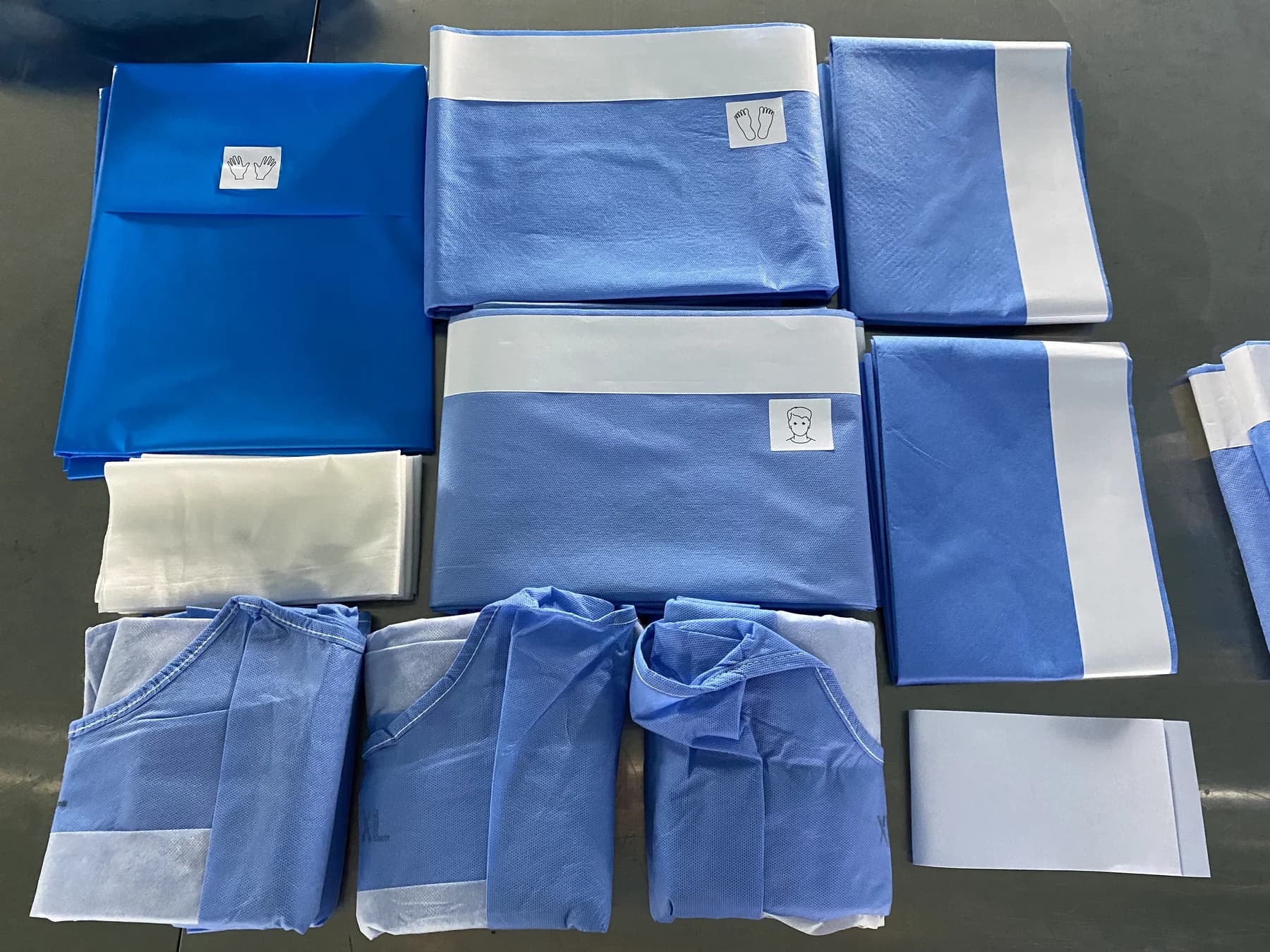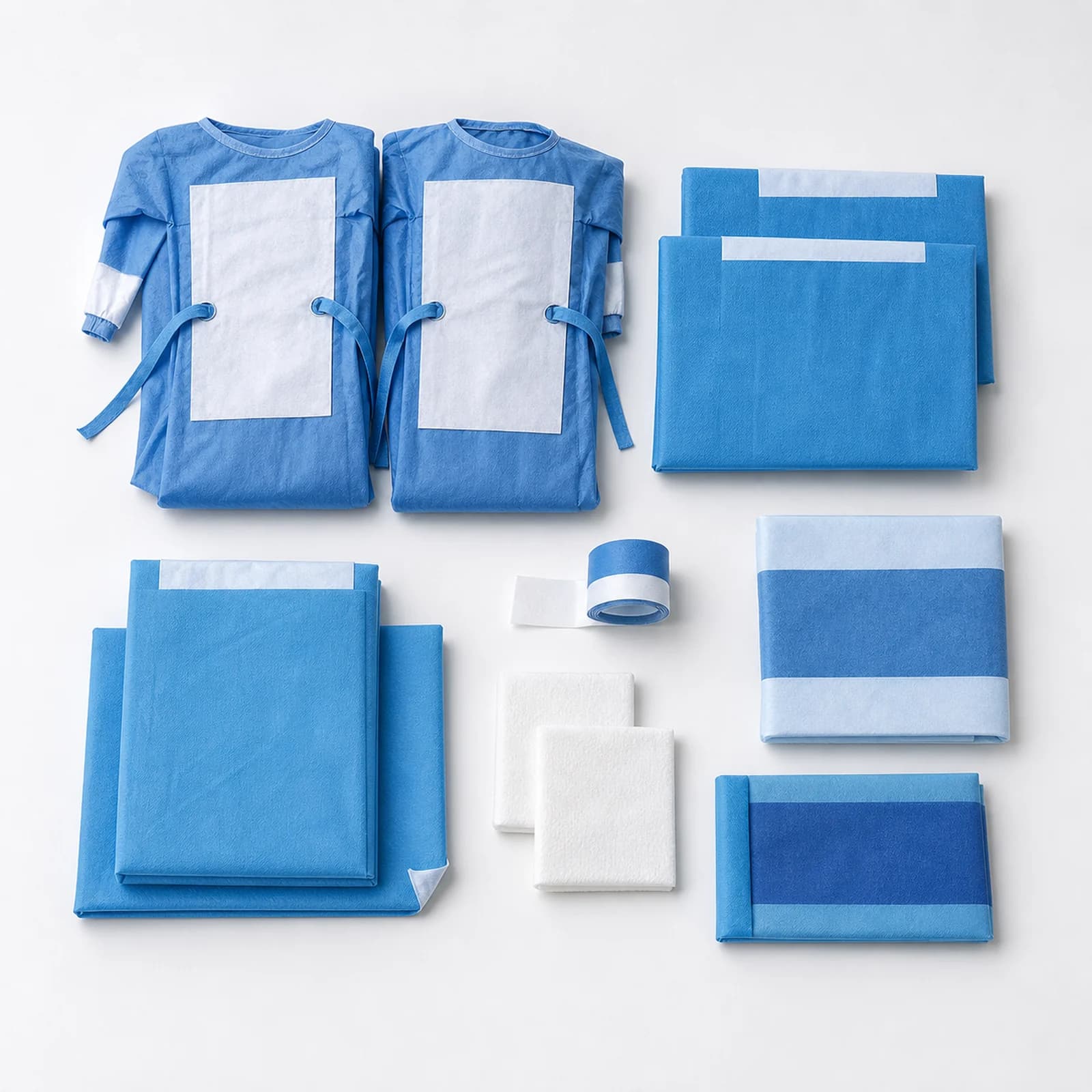

What a Shelf-Life Statement Must Cover
A shelf-life statement is meaningful only when buyers know which finished surgical pack it covers, what evidence supports it and under which storage conditions it applies. An expiry date printed on a label cannot answer those questions by itself.
For an importer, the review continues beyond the initial quotation. The stated period has to match the approved pack configuration, sterile-barrier system, labeling, batch records and shipment received. This article provides a focused document-review process. It does not assign a shelf life, sterilization method or sterile status to any Future Tech FTP model. Those facts require confirmation for the selected product and project.
Confirm the Exact Product Behind the Claim
Start with the finished pack, not a general product-family statement. Ask for the product or buyer reference, complete configuration revision, packaging specification and declared sterile status to which the claim applies.
A document for a different pack size, component arrangement or packaging material may not cover the version purchased. If a component, sterile-barrier material, seal design or processing arrangement changes, ask whether the evidence still applies and record the supporting answer. A catalog name alone is not evidence of a model-specific expiry period.
Ask What Supports the Stated Period
Request the product-specific shelf-life statement and an explanation of the evidence used to establish it. The file should identify the finished configuration, packaging system, evaluated period, relevant storage conditions and documents available for review.
An importer needs enough information to judge whether the claim applies to the exact imported item. If a test summary or report is supplied, check product and packaging references, dates, scope and conclusions. If only a general declaration is available, mark underlying evidence unverified pending appropriate review. Never fill an empty field with an assumed three or five years; no universal FTP shelf life is published.
Review the Sterile Barrier Separately from the Outer Carton
When a product is supplied sterile, its sterile-barrier system is specified to maintain that condition until use. The outer shipping carton serves a different handling role. A sound-looking carton does not establish that the inner barrier remained intact.
Ask which packaging specification and integrity evidence relate to the claim. Confirm how seals, materials and configuration are identified in the controlled file. A changed pouch, wrap, seal arrangement or pack size calls for technical review rather than a visual approval. The packaging guide addresses overall format and labels; the shelf-life question is whether the approved barrier and evidence support the declared period.
Connect Transport and Storage to the Claim
The declared period is linked to stated storage conditions. Ask which conditions apply to the finished product and how they are communicated on labels or documents where required. Identify handling or transport concerns the supplier says could affect the pack.
On receipt, compare cartons, inner packs and shipment records with approved references. If packages show visible damage, moisture or other possible compromise, isolate the affected goods for the organization's established review. A future expiry date does not make a visibly compromised package acceptable. Record incidents and affected cartons and batches; the responsible team determines disposition using product-specific instructions. This article sets no universal temperature or storage period.
Match Labels, Batches and Documents
Ask how the pack, lot or batch, manufacture information and expiry information are identified where applicable. The same product reference should appear consistently in the order, packing list, label and supporting file.
At receipt, record quantities and identifiers for accepted lots. Several lots may have different expiry dates. Connect a question about one pack to its lot and documentation rather than a photograph of another shipment. Check the date format and label language needed for the destination; confirm applicable market requirements for the actual product and country.
Calculate Usable Time at Arrival
Declared total shelf life and remaining shelf life on arrival are different purchasing questions. Some of the documented period may have elapsed before the goods arrive.
Before ordering, define whether the buyer requires a minimum remaining period at dispatch or receipt. Put any requirement in the purchasing file and ask how lot selection and documents will be checked. Do not invent a universal minimum. At receipt, compare each lot's expiry date with the agreed requirement and record discrepancies before releasing goods into inventory.
Build an Importer's Evidence Matrix
A short matrix separates a statement from its proof. Leave unsupported fields pending rather than treating them as compliance.
| Question | Record to request or check |
|---|---|
| Which product has the claim? | Model or buyer reference and approved revision |
| What period is declared? | Product-specific statement and label |
| What supports it? | Applicable evidence or reviewable summary |
| Which packaging is covered? | Sterile-barrier and packaging references |
| What conditions apply? | Storage and handling instructions |
| Which goods were shipped? | Lot or batch identifiers and packing documents |
| What remains at arrival? | Expiry dates against the agreed requirement |
| Who resolves discrepancies? | Named buyer and supplier review contacts |
Before Accepting the Shipment
Confirm that approved product and packaging revisions match the goods received; the period has product-specific support; labels and documents identify the lots; storage conditions were communicated; and remaining life meets the agreed requirement. Damaged or inconsistent packs should follow the buyer's established hold-and-review process.
For a broader pre-order review, read the existing sterile surgical pack ordering checklist. To review an actual FTP configuration, send Future Tech the product reference, destination market and document questions. Evidence and final supply conditions must be confirmed for that project.