
Treat a Substitution as a Documented Change
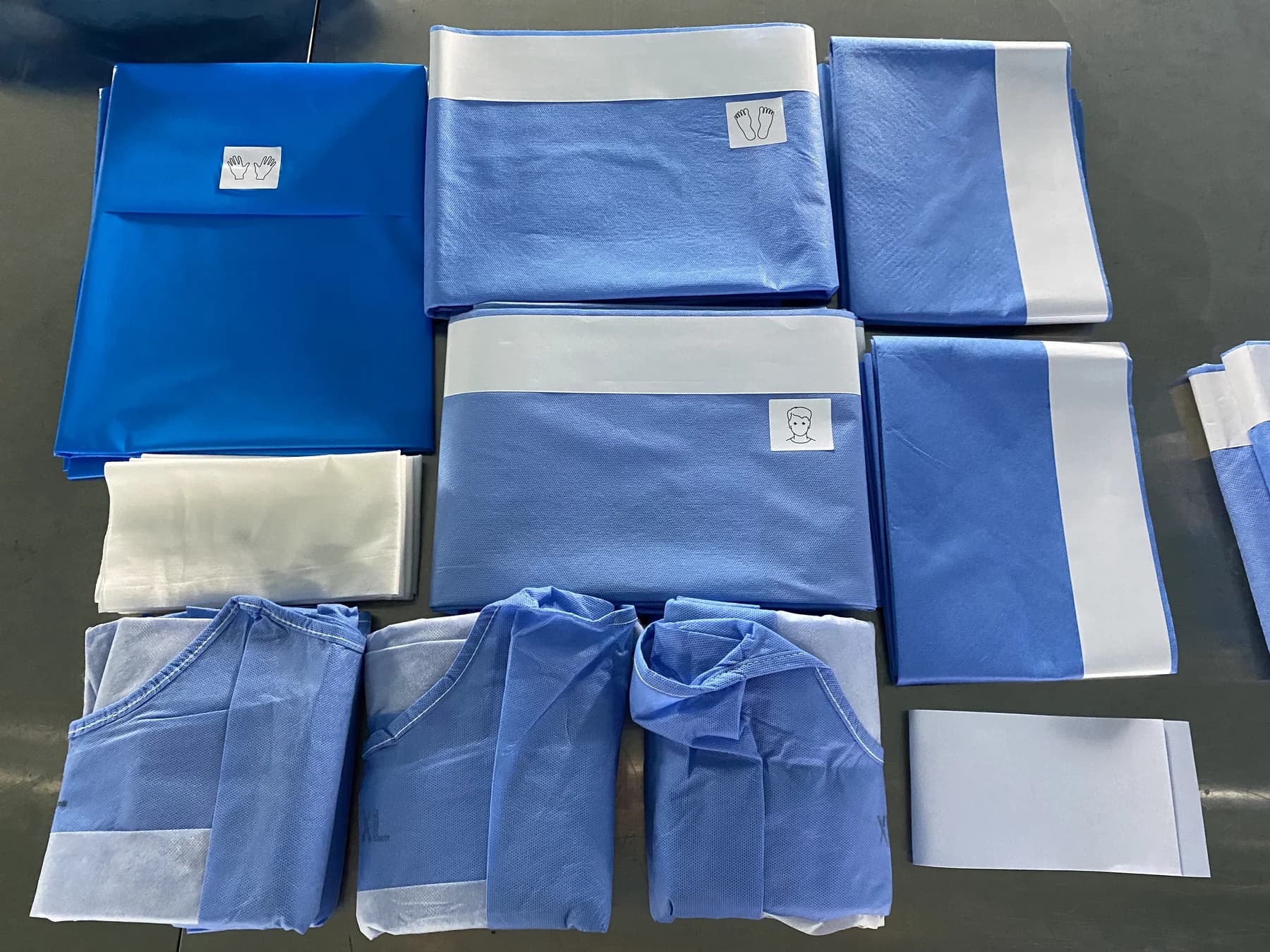
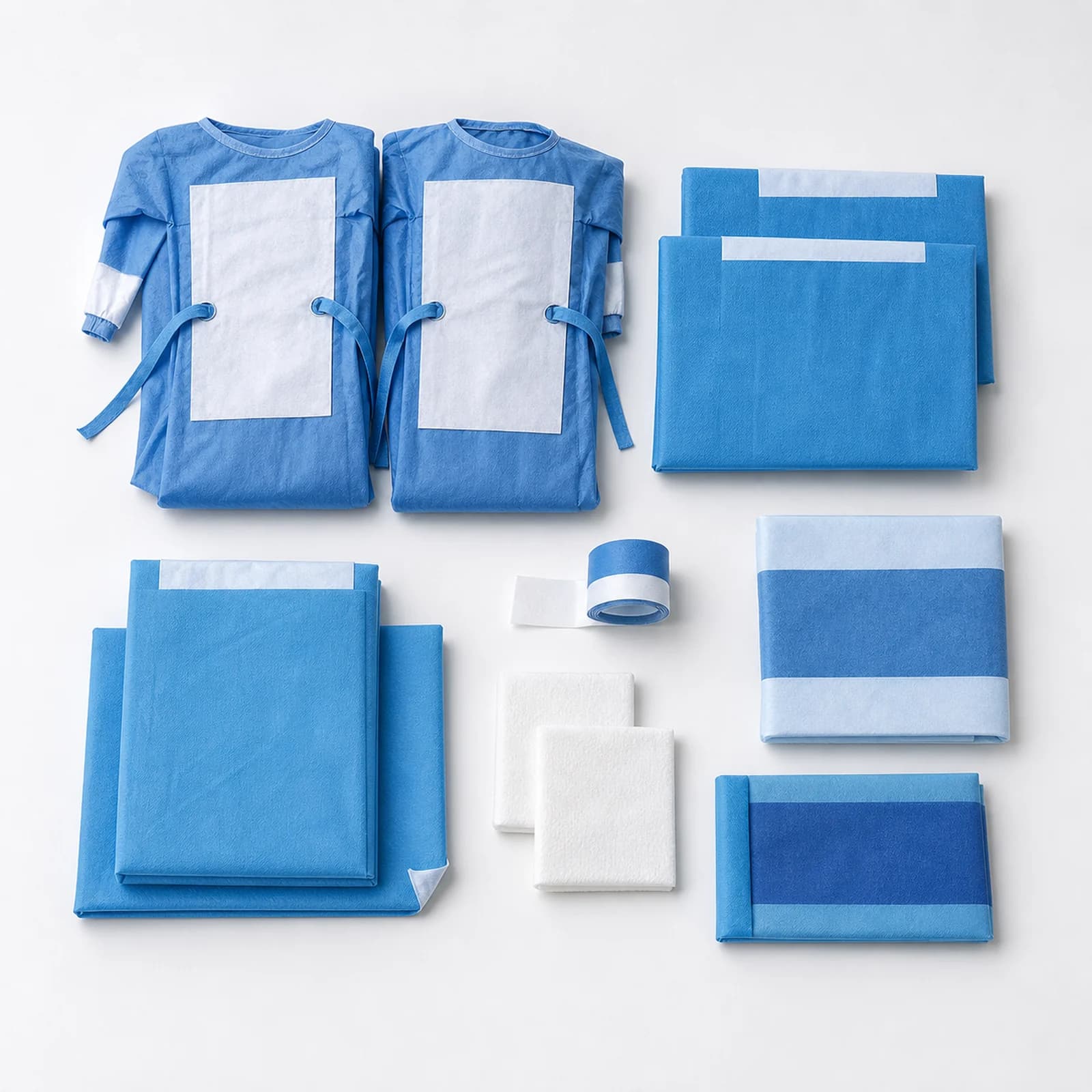
A supplier may propose a different component because the requested item is unavailable, a new configuration is under consideration or the buyer wants to compare alternatives. A similar name or appearance does not establish that the proposed item meets the original requirement. Treat the substitution as a documented change to a defined pack, not an informal purchasing shortcut.
This guide concerns the buyer's review process. It does not claim that any two components are clinically equivalent. Decisions about intended use and acceptance require the relevant buyer, technical and clinical reviewers, supported by product-specific information.
Identify the Exact Item Being Changed
Begin with the approved pack configuration and revision. Name the original component by line number and description; identify the replacement by its own reference. Replace the drape with a similar one leaves too much open: which drape, pack, quantity and approved specification?
If several packs use the component, list every affected configuration. Approval for one pack should not automatically apply to another. The component-list guide helps establish a baseline; substitution review starts after that baseline exists.
Compare the Attributes That Matter
Use a side-by-side comparison instead of a photograph or the label equivalent. The relevant fields depend on the item. Leave unverified fields open rather than claiming same as original. Where a performance or medical claim matters, ask for evidence tied to the proposed finished product and specific claim.
| Review point | Original item | Proposed item |
|---|---|---|
| Product reference | Approved identifier | Proposed identifier |
| Dimensions and units | Approved value or drawing | Proposed value or drawing |
| Material and construction | Approved description | Proposed description |
| Intended function | Buyer's requirement | Function claimed for proposal |
| Quantity per pack | Approved quantity | Proposed quantity |
| Pack presentation | Approved folding or placement | Proposed presentation |
| Supporting documents | Original files reviewed | Files available for proposal |
Check the Effect on the Complete Pack
An item can appear acceptable alone and still alter the assembled pack. Consider whether its size or folding changes the placement of other items. Check the packaging arrangement and whether the contents, label, artwork or product identification need revision.
If a sterile pack is specified, ask what product-specific packaging and process information is available for the revised configuration. Do not infer sterility, shelf life or compatibility from a component description. The packaging guide covers broader requirements; here the question is what changes because this particular item changed.
Request a Clear Deviation Statement
Ask for one record per proposed change. It should identify the pack and revision, original line, proposed item, every known difference, supporting files, unconfirmed fields and any effect on packaging, labeling or quotation. State whether it applies to a sample, a future order or an existing approved configuration.
This prevents a change from disappearing inside an updated quotation and gives each reviewer the same information.
Decide Who Must Approve the Change
Purchasing can organize the decision but should not assume authority over clinical or technical suitability. Route the record to those responsible for the original requirement. They may approve, reject or request a sample or more documents.
Record the outcome against the exact proposed item and pack revision. Approved alternative without a reference, scope or date is ambiguous. State any approval condition and its reviewer. If a sample is reviewed, identify its component and pack revision, then incorporate accepted comments into the written specification.
Keep Price Separate from Suitability
A proposed substitution may change the quotation. Price is a commercial comparison; component acceptance is a separate decision. Ask for the commercial effect to be stated clearly, but do not approve only because cost falls. A higher price does not prove better performance either. Compare the item with the buyer's requirement and available evidence.
Buyer Checklist Before Approval
- Identify the original pack and component revision.
- Identify the replacement by its own reference.
- Compare dimensions, material, construction, function and quantity.
- Mark missing facts as pending.
- Review assembly, packaging and labeling effects.
- Check product-specific evidence for every claim made.
- Obtain the appropriate technical and end-user review.
- Record decision, scope, conditions and date.
- Use the approved revision for quotation, sample and final order.
Conclusion
A documented substitution can be reviewed; a silent substitution is difficult to assess. Use the Surgical Packs category as a product starting point and send a proposed change with the original specification and differences clearly marked.