Introduction
A request for a sterile surgical pack involves more than confirming that a list of disposable components fits inside one package. Buyers need to verify the complete configuration, component specifications, sterile or non-sterile requirement, applicable sterilization information, packaging, labels, shelf-life evidence, destination-market documentation and pre-shipment file.
This guide explains what buyers should verify. It does not state that every Future Tech FTP model is sterile or that one sterilization method, validation standard or shelf life applies across the catalog. Those fields depend on the selected product, configuration, documentation and target market and must be confirmed before ordering.
1. Confirm the Complete Pack Contents
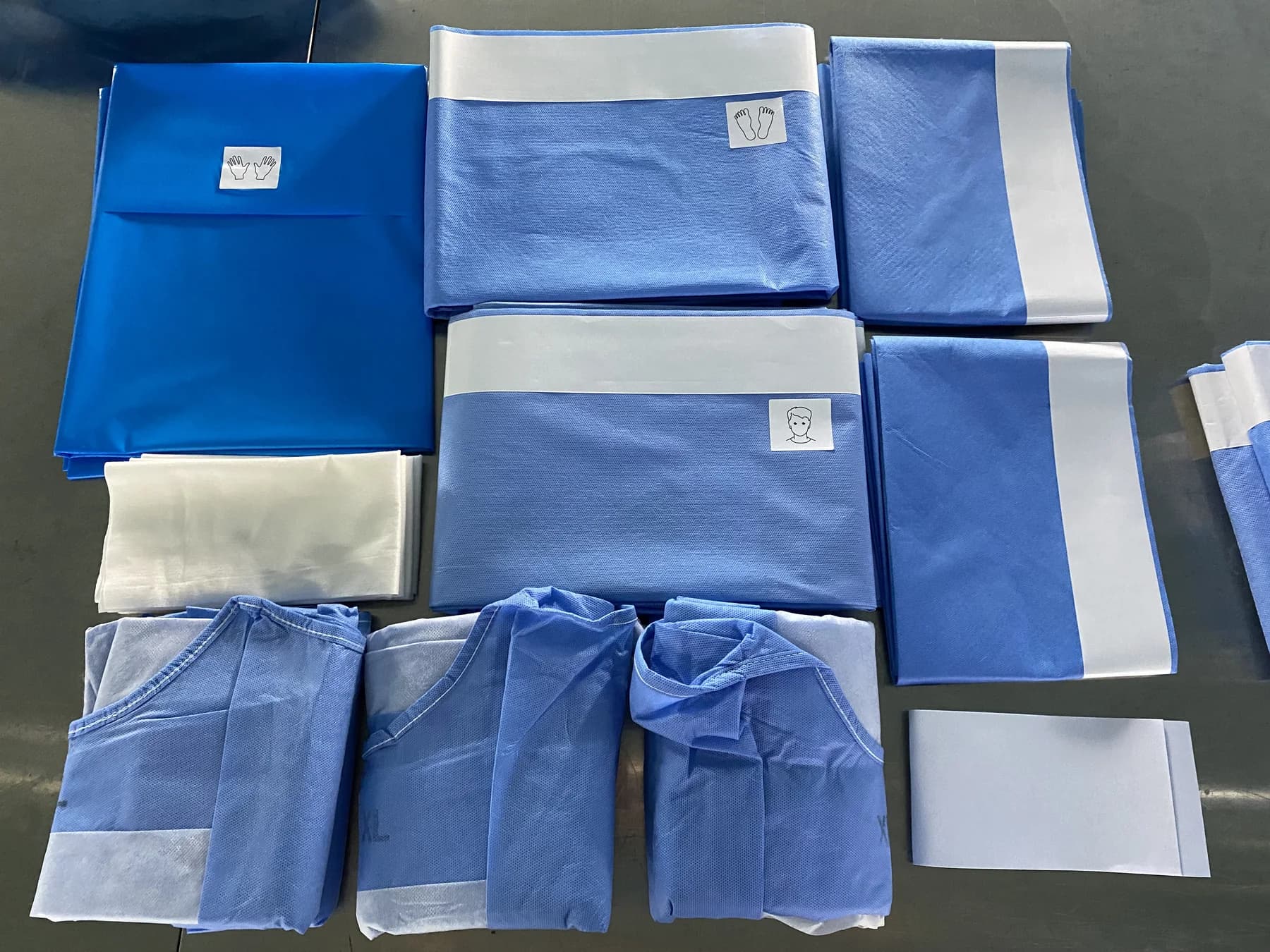
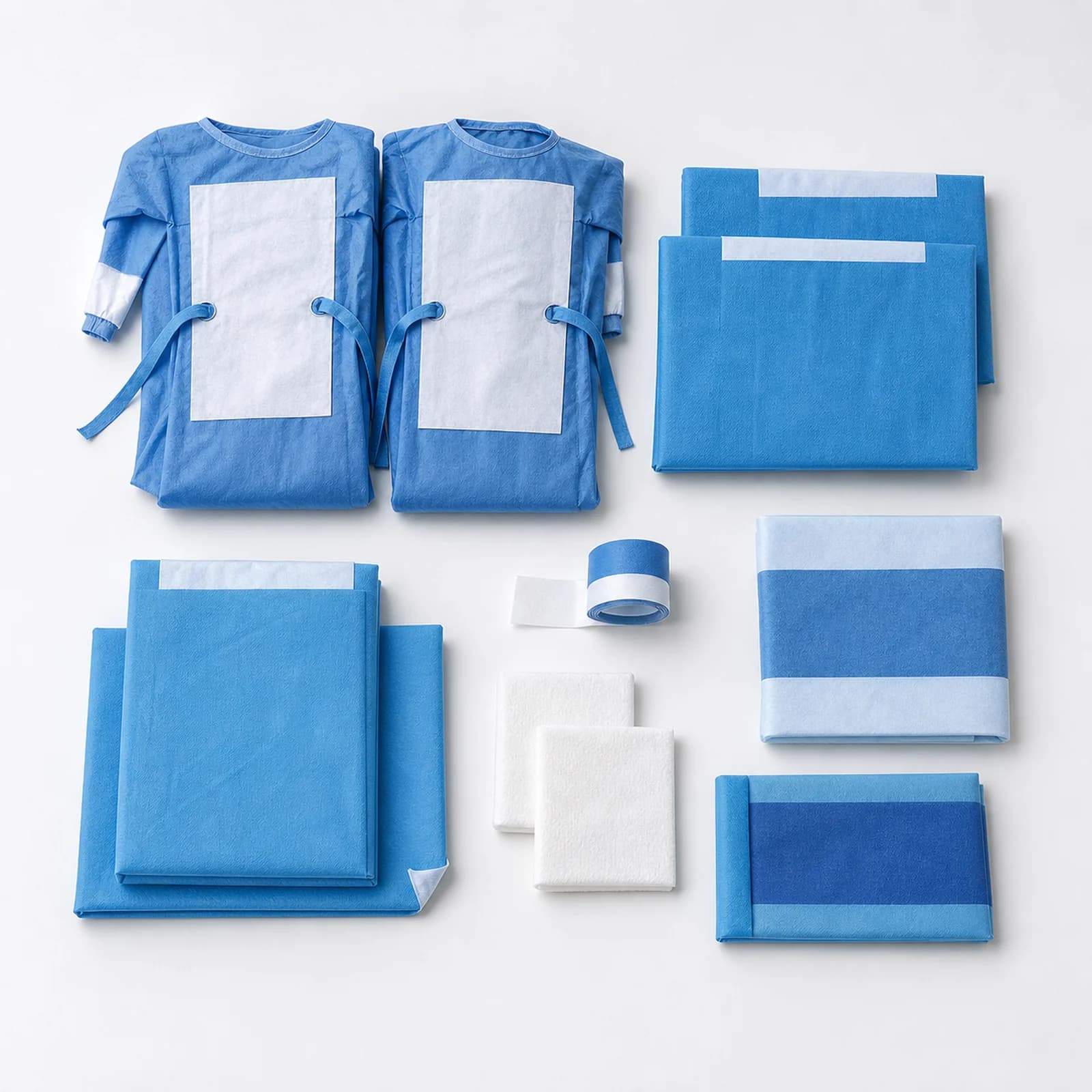
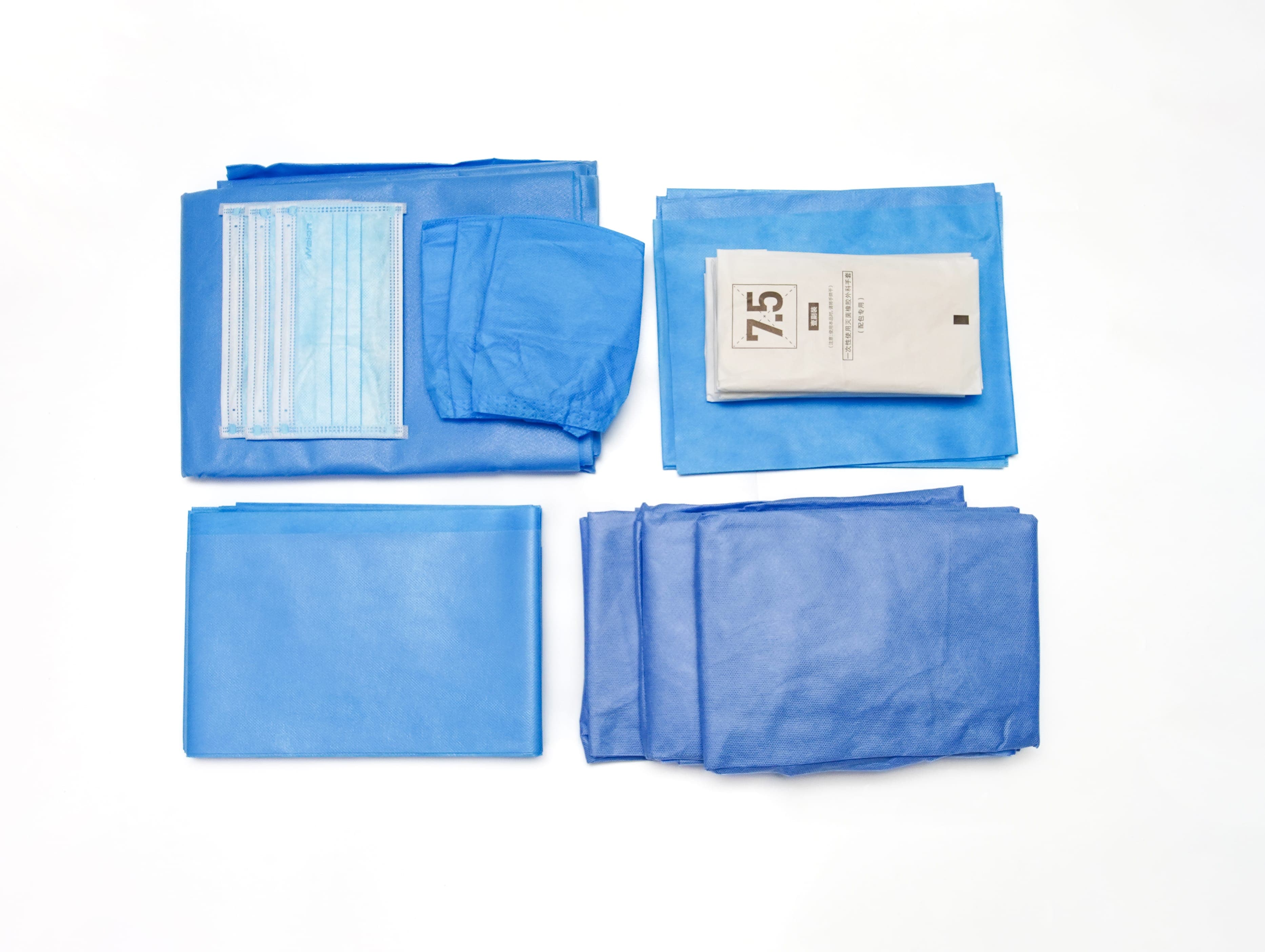
Start with an itemized component list. Record the name and quantity of every drape, gown, cover, towel, tape or other disposable item requested. Compare the list with the selected catalog model and mark every addition, removal or substitution. A pack name such as Universal or Laparoscopy is not a substitute for an approved bill of materials.
Check that optional items are identified and that quantities use the same unit throughout the file. If a buyer provides a tender list or reference sample, translate it into a controlled table so supplier, buyer and inspector work from the same revision. Resolve unclear component names before sample approval.
2. Review Component Specifications
For each component, confirm relevant dimensions, material, construction, size and quantity. If the pack contains a gown, identify the gown type and required details. If it contains drapes or covers, record the exact dimensions and material specification required by the project. Photographs can support communication but should not replace written fields.
Use the quotation and sample stage to close technical gaps. Record acceptable tolerances or alternatives where the buyer permits them. If a substitution is proposed, review its effect on configuration, packaging, documentation and intended use before approval. The finished pack should be inspected against the same controlled list.
3. Confirm Sterile or Non-Sterile Requirements
State clearly whether the requested pack must be supplied sterile or non-sterile. Do not infer sterile status from the words surgical pack, from a product photograph or from the packaging appearance. The quotation, label, product documentation and order should use consistent language for the selected configuration.
If the buyer’s market or end user has a specific definition or documentation requirement, provide it during the initial review. Confirm whether the requirement applies to the complete pack, individual components or both. Future Tech’s public catalog should not be treated as proof that all FTP products share one sterile status.
4. Ask for Sterilization Information Where Applicable
Where sterilization applies, ask for the method, relevant validation documentation and product information that supports the quoted configuration. The required evidence may depend on the product, packaging system, legal manufacturer and destination market. Buyers should verify scope rather than accepting a general statement that a method is available.
Do not insert a sterilization method, sterility assurance level or validation standard into an order unless it has been confirmed for the product. The current project materials do not verify one universal method such as EO or Gamma for all FTP models, and this guide makes no such claim.
5. Review Packaging Integrity Requirements
Define the packaging format and the integrity requirements that the buyer or market expects. Review the seal area, handling needs, pack size, inner packaging, outer carton and any protection required during transport. Packaging that appears acceptable in a photograph may not satisfy the buyer’s specified handling or documentation criteria.
Ask how packaging specifications are recorded and how changes will be controlled. If seal-integrity or packaging-validation evidence is required, identify the expected document and scope. Final feasibility remains subject to the selected materials, pack size, configuration and applicable product documentation.
6. Confirm Labeling and Traceability Information
Prepare a label checklist covering the product name, model or reference, component or quantity information where required, lot or batch information, manufacturing information, expiry information where applicable, label language, destination-market fields and buyer artwork. Not every field applies in the same way to every product or market.
Confirm who provides and approves the artwork, which information is variable and how the approved version is linked to the order. Barcode, symbols and translations should be reviewed against the buyer’s requirement and applicable documentation rather than copied from an unrelated product.
7. Review Shelf-Life Information
Shelf life should be based on verified product and packaging documentation. Buyers should ask for the stated shelf life, the evidence supporting it, the applicable product and packaging configuration, storage conditions and how manufacture or expiry information is presented where required.
Do not assume a fixed three-year or five-year period across products. A change in component, packaging material, sterilization process or configuration may require separate review. The confirmed shelf-life information should match the label and documents supplied for the selected order.
8. Confirm Target-Market Documentation
Provide the destination country, registration requirement, import documentation, certificate requirements and label language. Ask the supplier to identify which records apply to the exact product, manufacturer, production site and market. A company-level document should not be assumed to support every product claim.
Create a document matrix with the document name, issuing party, model or product scope, market, validity date and review status. Complete this review before shipment planning, because missing or out-of-scope documentation can affect import and buyer acceptance even when the physical pack is correct.
9. Pre-shipment Checks
Before shipment, compare the confirmed order quantity, pack configuration, carton mark, packaging, labels, shipping marks and documentation file with the approved purchasing record. Confirm how samples or inspection records identify the same revision. Any authorized deviation should be written and traceable.
Also verify the consignee and destination details, carton quantities and the list of documents expected with or before the shipment. These checks do not replace regulatory review or product inspection, but they help prevent administrative discrepancies from appearing after goods are dispatched.
Buyer Checklist Before Ordering
- Complete pack contents and quantities approved
- Component dimensions, materials and construction confirmed
- Sterile or non-sterile status stated consistently
- Sterilization information reviewed where applicable
- Packaging format and integrity requirements documented
- Label, batch and traceability fields confirmed
- Shelf-life statement supported by applicable documentation
- Destination-market and import document list reviewed
- Artwork, carton marks and shipping marks approved
- Pre-shipment inspection and document responsibilities assigned
Conclusion
A sterile surgical pack order should be built from verified product and documentation fields, not assumptions. Confirm the contents and specifications first, then sterile status, applicable sterilization information, packaging, labeling, shelf-life evidence and market requirements.
The result should be one controlled purchasing file that the quotation, sample, order, inspection and shipment documents can reference. Future Tech can review an FTP catalog model or custom component list as a starting point, subject to product and target-market confirmation.