
Define the Requirement Before Comparing Suppliers
Supplier evaluation begins with a controlled purchasing specification. Without one, quotations may refer to different materials, pack contents, sizes, packaging or documentation, making price comparisons unreliable.
Create a requirement file that separates mandatory specifications from optional preferences. Include the target market, product model or procedure, expected documentation, sample process and commercial assumptions.
Evaluate Product Range and Technical Fit
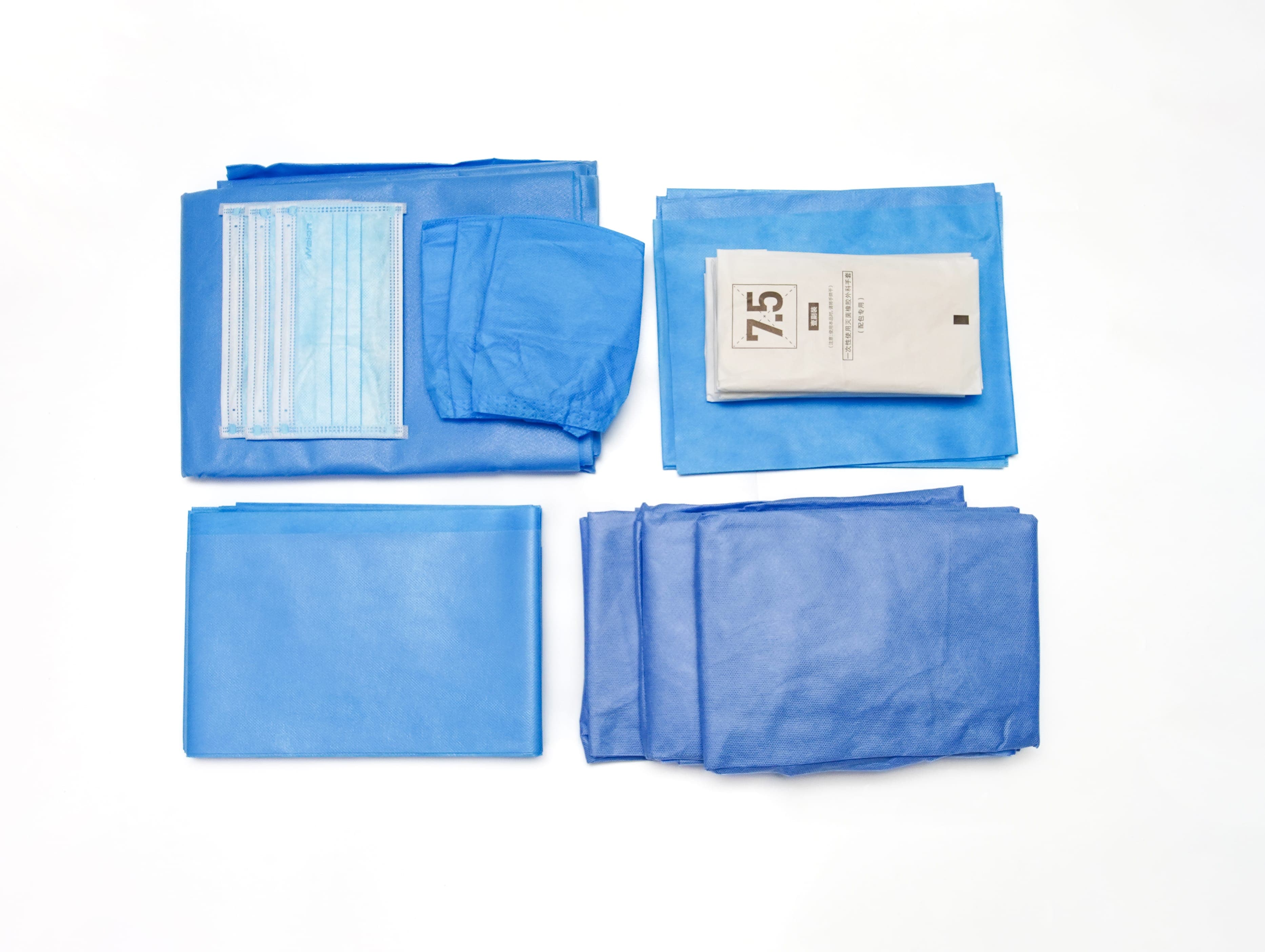
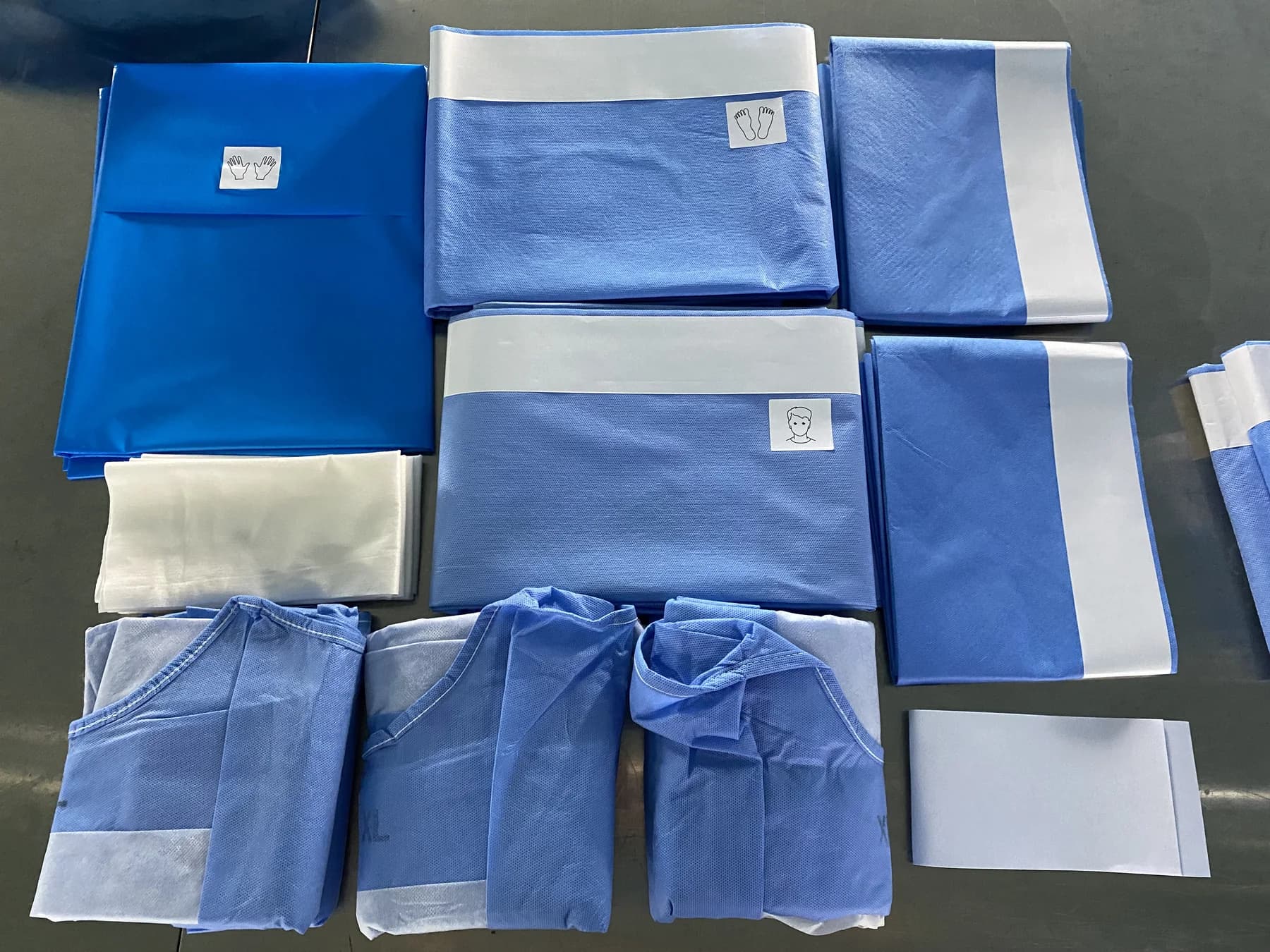
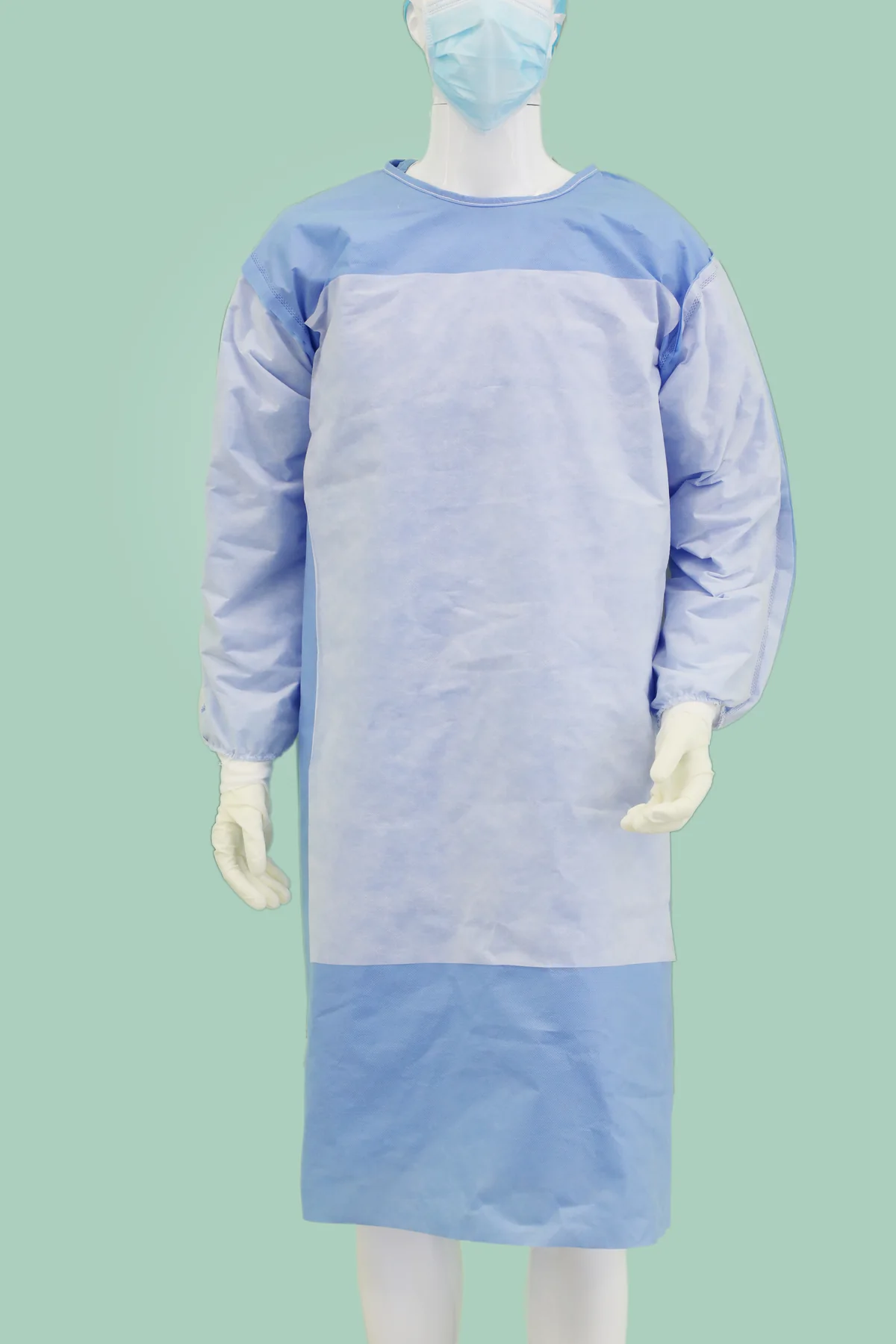
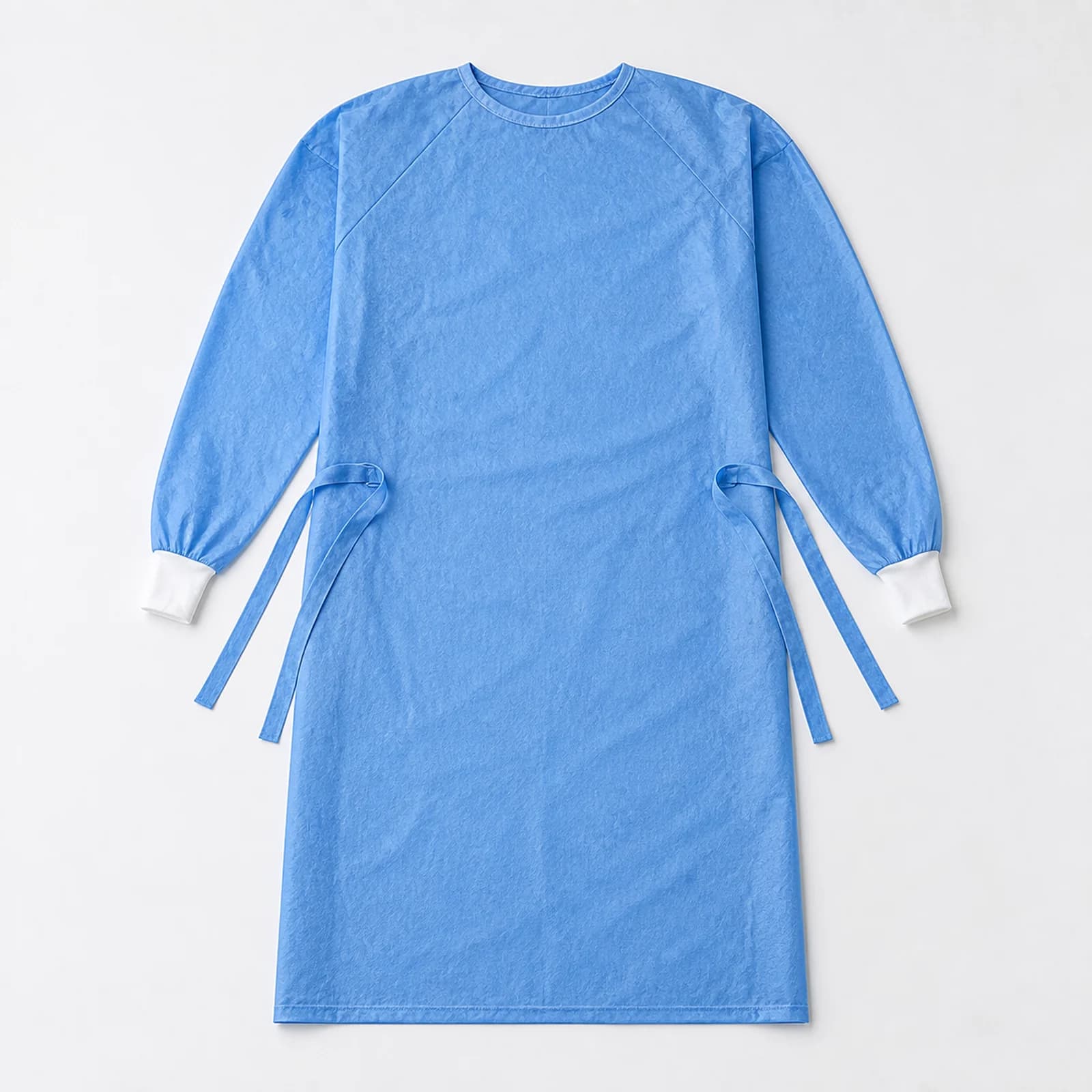
Review whether the supplier’s actual catalog covers the required gown construction and procedure pack models. A broad marketing claim is less useful than traceable model numbers, specification tables and product images that can be matched to samples.
For custom packs, assess whether the supplier can manage a complete component list and clearly identify changes from the standard configuration.
Verify Quality and Regulatory Documentation
Ask for documents that apply to the exact legal manufacturer, production site, product model and destination market. Check names, addresses, scope, validity dates and whether test reports match the quoted construction.
Do not assume that a company-level certificate proves every product claim. Sterility, barrier classification, shelf life and regulatory status require product- and market-specific evidence.
Assess OEM and Custom Pack Capability
OEM capability should be evaluated through process evidence: how requirements are collected, how artwork is approved, how component substitutions are controlled and how the final specification is locked.
For surgical packs, request an auditable bill of materials. For gowns, define material, size, construction, reinforcement, cuff, sleeve and closure details. Confirm who approves each change before production.
| Evaluation area | Evidence to request | Risk if unclear |
|---|---|---|
| Product scope | Catalog models and specifications | Quotation may not match required product |
| Quality documents | Model/site/market-specific records | Unsupported or out-of-scope claims |
| Customization | Approved specification and artwork process | Uncontrolled configuration changes |
| Supply planning | Written production and delivery assumptions | Unclear schedule or repeat-order consistency |
| Communication | Named contacts and escalation path | Slow issue resolution |
Use Sampling as a Verification Stage
A sample is not only a sales demonstration. It should be checked against the written specification, packaging and labeling requirements. Record approval results and retain the approved reference where practical.
If a sample differs from the quoted configuration, resolve the discrepancy before placing a bulk order. Repeat orders should reference the same approved specification and any authorized revisions.
Review Supply Reliability and Lead-Time Assumptions
Ask the supplier to explain the assumptions behind production timing, material availability, artwork approval and shipping readiness. Do not treat a generic lead-time statement as a guaranteed commitment for every configuration.
The current project materials do not establish a fixed delivery-time or after-sales promise for Future Tech. These fields remain TODO and should be confirmed in the commercial agreement for each order.
Supplier Evaluation Checklist
- Legal manufacturer and production-site identity verified
- Required product models and specifications confirmed
- Product-specific claims supported by applicable documentation
- Sample matches the written specification
- Custom pack bill of materials approved
- Private-label artwork and packaging process documented
- Quality issue and change-control responsibilities defined
- Production timing and delivery assumptions written into the order
- Communication and escalation contacts confirmed
Build an Auditable Supplier Decision
A strong supplier evaluation leaves an evidence trail that another procurement colleague can review. Combine technical fit, document verification, sample approval, customization control and commercial clarity before making the final decision.