Surgical Gown and Isolation Gown Are Not the Same Product Category
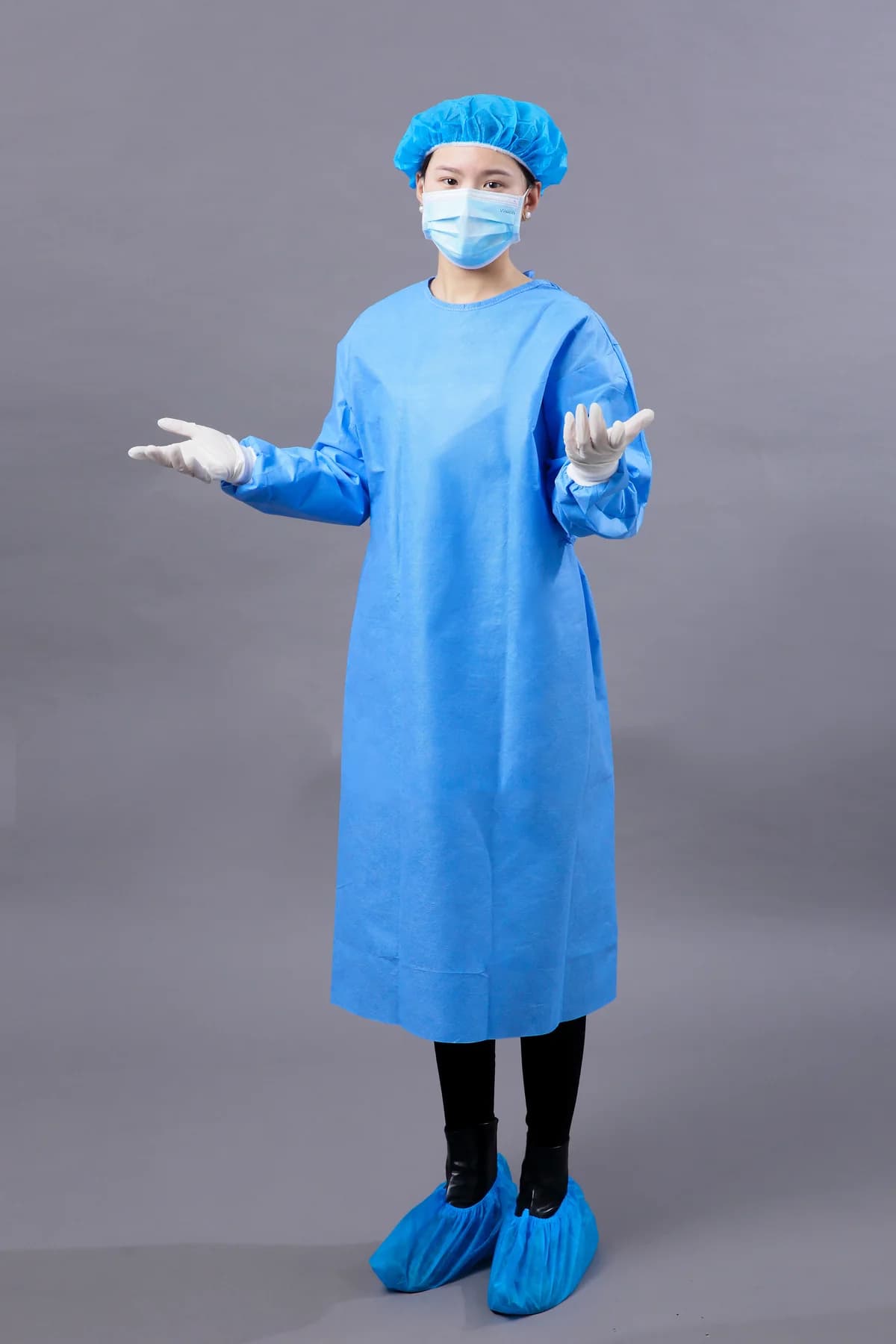
Surgical gowns and isolation gowns can look similar in a catalog image, but buyers should not treat them as interchangeable names. Product selection depends on the intended use, required protection and coverage, applicable standard or regulatory framework, sterile or non-sterile requirement, labeling and evidence for the exact product being purchased.
The purchasing question is not which gown is universally better. It is which product category and specification fit the defined use. A supplier quotation should use the correct product name and connect every protection claim to the relevant model and documentation rather than relying on appearance or a broad term such as medical gown.
What Is a Surgical Gown?
From a procurement perspective, a surgical gown is protective apparel intended for surgical-related environments where the buyer defines coverage and barrier requirements for the task. Construction may involve different non-woven materials, sleeve and cuff designs, seams, closures and reinforcement options. Sterile and non-sterile availability must be confirmed for the selected product and market.
A surgical product name does not establish an AAMI level by itself. Future Tech’s current catalog identifies FTG-001 as a Standard Surgical Gown and FTG-002 as a Reinforced Surgical Gown, but it does not assign a verified AAMI level to either model on the website. Buyers should request model-specific labeling, test evidence and intended-use information for any required claim.
What Is an Isolation Gown?
An isolation gown is generally purchased for isolation or general protective use rather than being defined automatically as a surgical gown. Its exact intended use, coverage, material, barrier claim, sterile status and applicable requirements can vary. Buyers should therefore avoid treating all isolation gowns as one regulatory class or one level of protection.
When an RFQ uses the phrase isolation gown, ask the end user or tender owner to confirm the intended task, areas requiring coverage, exposure conditions, required standard, test method, labeling and documentation. A broad category description is not sufficient for comparing products from different suppliers.
Key Differences Buyers Should Review
The comparison below is a purchasing framework rather than a universal regulatory classification. Requirements must be confirmed for the destination market and exact intended use.
| Item | Surgical gown | Isolation gown |
|---|---|---|
| Intended use | Surgical-related use defined by the buyer and applicable requirements | Isolation or general protective use as specified by the buyer |
| Coverage | Confirm surgical-gown design and required protected areas | Confirm body and clothing coverage for the intended isolation task |
| Critical protection areas | May be defined by the applicable surgical-gown requirement | Must be confirmed under the relevant isolation-gown specification |
| Sterile or non-sterile | Either may exist; confirm the quoted product | Either may exist; do not assume from the category name |
| Materials | Confirm finished-gown material, construction and evidence | Confirm material and performance requirement for the intended use |
| Buyer specification | Procedure, protection, size, construction, packaging and documentation | Task, coverage, protection, size, packaging and documentation |
| Documentation | Model- and market-specific evidence for stated claims | Model- and market-specific evidence for stated claims |
Why Intended Use Matters
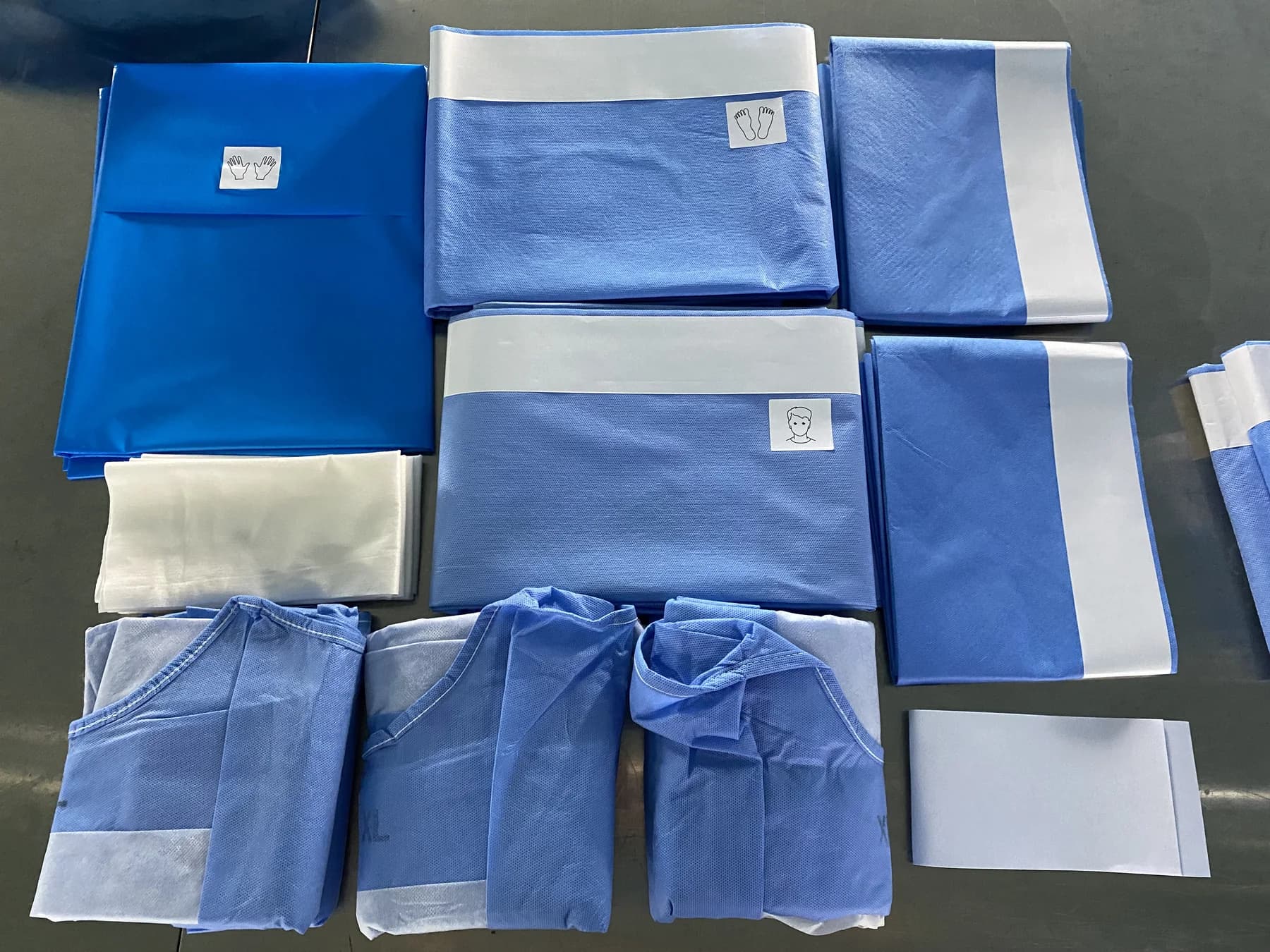
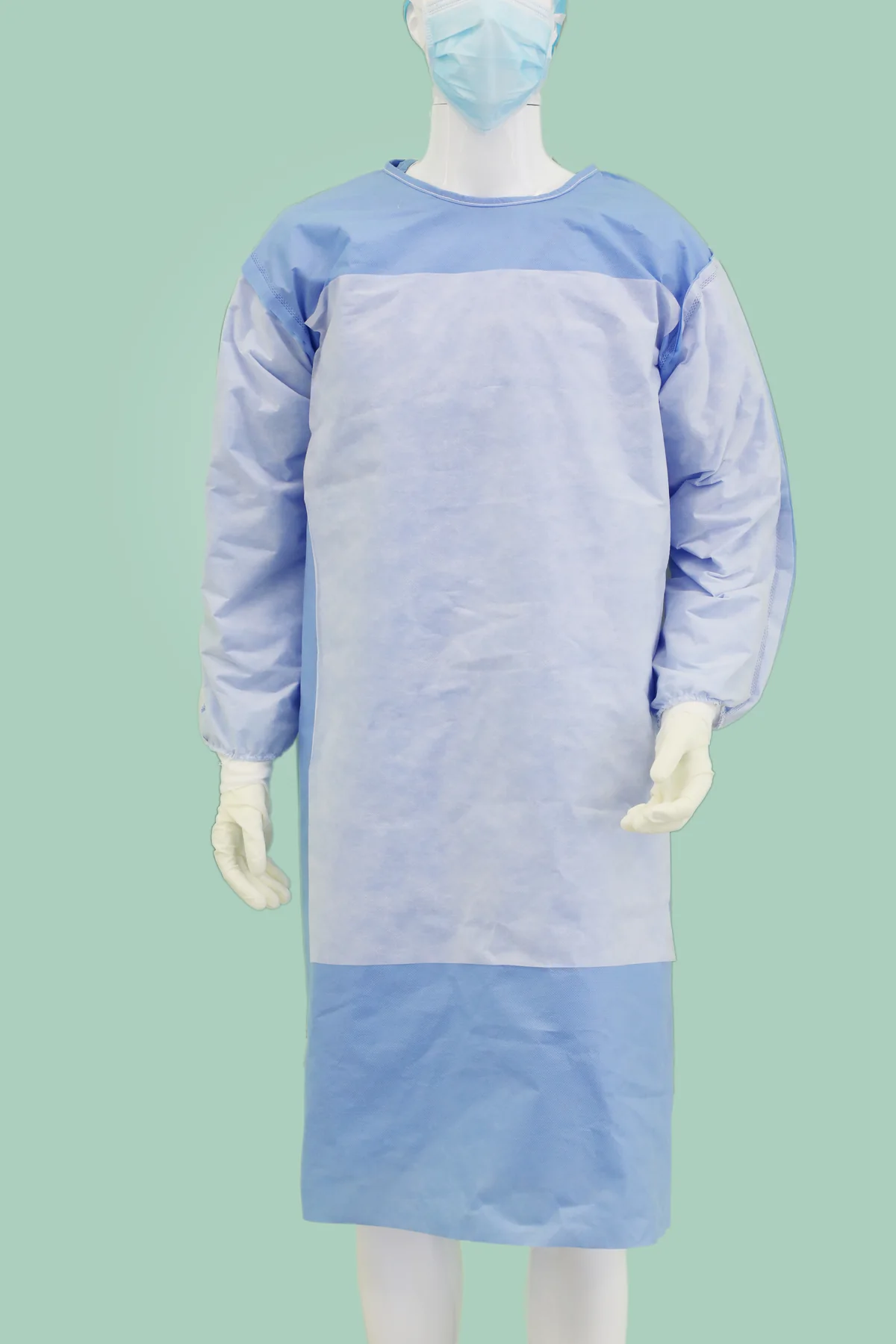
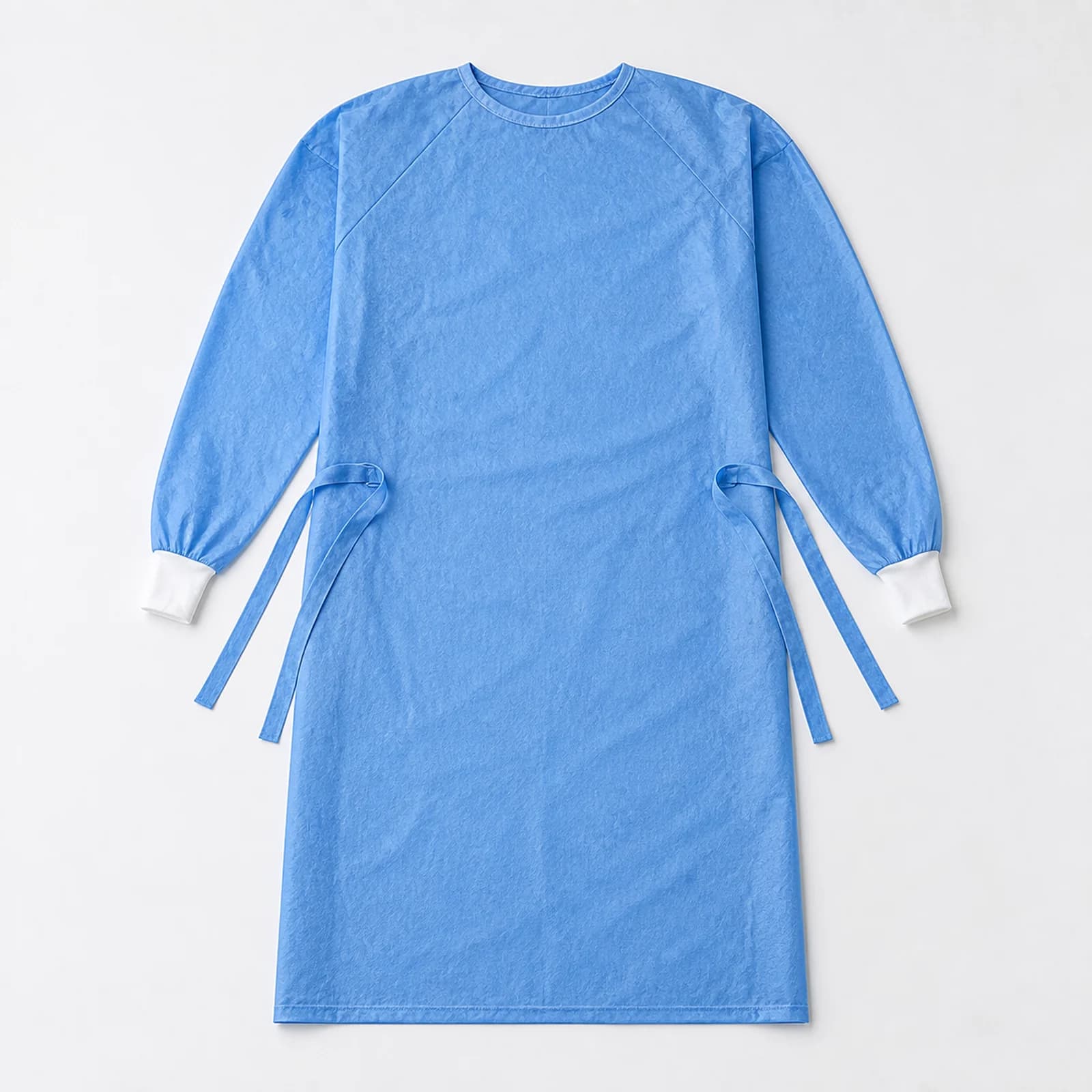
Two gowns with similar color and shape may have different designs, materials, coverage, seam construction, labeling and verified performance. Substituting one category for another based only on appearance can create a mismatch between the purchasing document and the actual requirement.
Define the use before requesting price. Ask who will wear the gown, for what task, under what exposure conditions, in which market and against which specification. If the end user has a tender or approved product description, include it in the RFQ. The supplier can then evaluate technical fit instead of guessing from a short product name.
What Should Buyers Include in a Surgical Gown Specification?
A useful specification should identify the product type, material, size, standard or reinforced construction, required protection or performance, sterile or non-sterile status where applicable, packaging, destination market and required documentation. Construction details such as sleeve, cuff, neck closure, seams and reinforcement coverage should be added when relevant.
Separate mandatory requirements from supplier options. If a classification or test method is required, state it explicitly and request evidence for the quoted model. If the requirement is still under review, do not replace it with a guessed value. A written specification also helps the buyer evaluate samples and repeat orders consistently.
- Exact product category and intended use
- Material and agreed construction
- Size range and measurement requirements
- Standard or reinforced configuration
- Required protection claim and supporting evidence
- Sterile or non-sterile requirement where applicable
- Packaging, labeling and destination market
- Required product and quality documentation
Standard vs. Reinforced Surgical Gowns
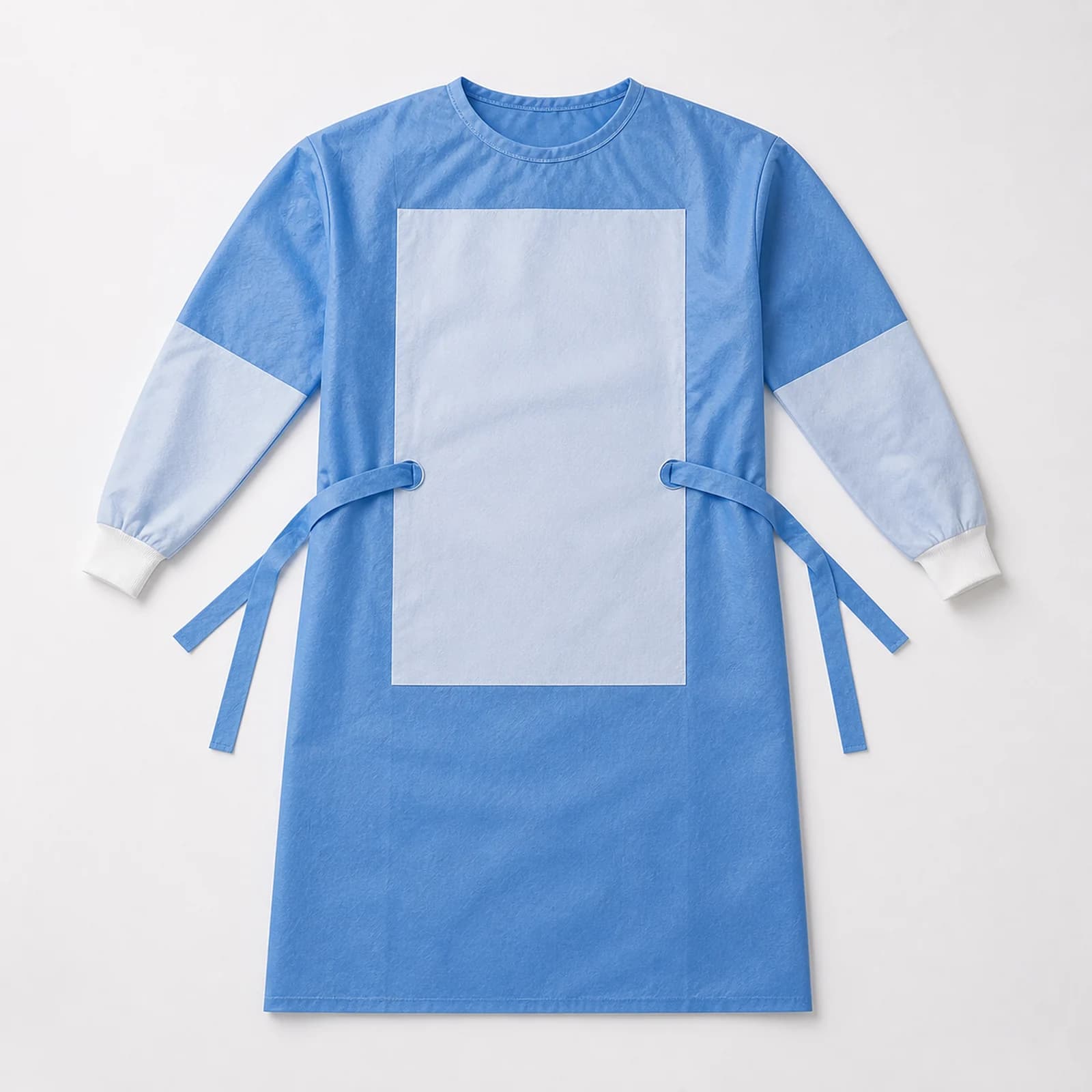
A reinforced surgical gown adds reinforcement material or coverage to the base construction where specified. Future Tech lists FTG-001 as standard and FTG-002 as reinforced, with PE or fabric reinforcement and half or full coverage options listed for FTG-002. The final quoted construction must identify the selected combination.
Reinforced does not automatically mean a particular AAMI classification or make a gown suitable for every procedure. Review the reinforcement material, area, seam construction and model-specific evidence together with the intended use.
Questions to Ask Before Sending an RFQ
- Is the requested product a surgical gown or an isolation gown?
- What is the exact intended use and destination market?
- Which coverage and construction details are mandatory?
- Is standard or reinforced construction required?
- What protection classification, test method or evidence is required?
- Must the quoted product be sterile or non-sterile?
- Which sizes, packaging format and label languages are needed?
- Which documents must be reviewed before sample or order approval?
Conclusion
Surgical gown and isolation gown are purchasing categories with different intended-use questions. Neither term should be selected only because the products look alike or because one sounds more protective. Define the use, required coverage, performance, sterile status and documentation before comparing quotations.
Future Tech’s published product range currently focuses on FTG surgical gowns. Buyers can review the standard and reinforced models as starting points, then confirm the exact specification and supporting documentation required for the project.